Healthcare – The "Ambient Scribe" Revolution
 Lorenzo Vallone
Introduction: Killing "Pajama Time"
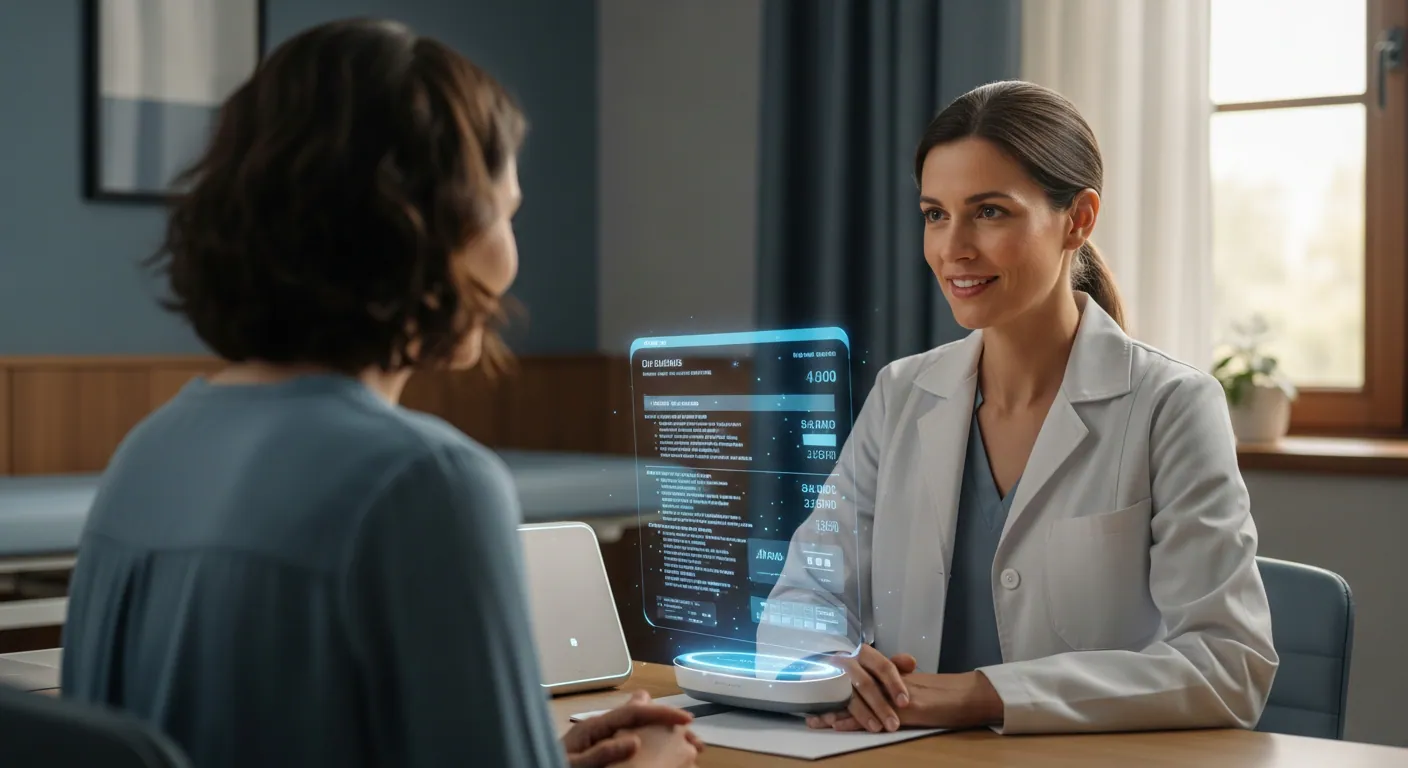
Physician burnout is driven by the 2-3 hours doctors spend entering data into Electronic Health Records (EHRs) after hours—known as "Pajama Time." AI Ambient Clinical Intelligence (ACI) removes the keyboard from the exam room, restoring the doctor-patient relationship.
The Business Case: Throughput and Burnout
By automating documentation, health systems see a 20% increase in patient throughput and a massive reduction in physician turnover costs (which can exceed $500k per doctor).
Specific AI Solutions
1. Ambient Scribing
The Problem: Doctors spend more time typing than making eye contact.
The AI Solution: Nuance DAX and Nabla listen to the visit via smartphone. They distinguish between small talk and clinical facts, automatically generating a structured SOAP note in the EHR for the doctor to sign.
2. Clinical Decision Support
The Problem: Medical error is a leading cause of harm.
The AI Solution: Wolters Kluwer tools analyze the draft note in real-time, nudging the doctor: "Patient reported sulfa allergy, but Bactrim was prescribed. Flagging conflict."
3. Automated Medical Coding
The Problem: Claim denials due to coding errors.
The AI Solution: AI scans the clinical note and assigns the correct ICD-10 and CPT codes for billing automatically, ensuring revenue integrity and reducing administrative overhead.
Conclusion
The ambient scribe represents one of healthcare's most important innovations: technology that gets out of the way and lets doctors be doctors again.
Related Resources
Explore the AI tools featured in this article:
- Nuance DAX - Ambient clinical intelligence for documentation
- Nabla - AI medical scribe and note generation
- Wolters Kluwer - Clinical decision support systems