AI Industry Insights
Insights, tutorials, and news about AI, machine learning, and the future of technology.

I Bought Ray-Ban Meta Gen 2 Glasses to Build a Better Way to Cook
At Meta Connect 2026, Lorenzo Vallone reflects on his new Ray-Ban Meta Gen 2 glasses, the rise of AI wearables, and a hands-free cooking app idea designed to help us look up from our phones.

When Lies Become the Atmosphere: Truth, Democracy, and Blind AI Verification
Hannah Arendt warned that mass deception can destroy the public's ability to distinguish fact from fiction. A transparent, blind multi-model process offers a practical way for AI to help defend democracy's shared factual ground.
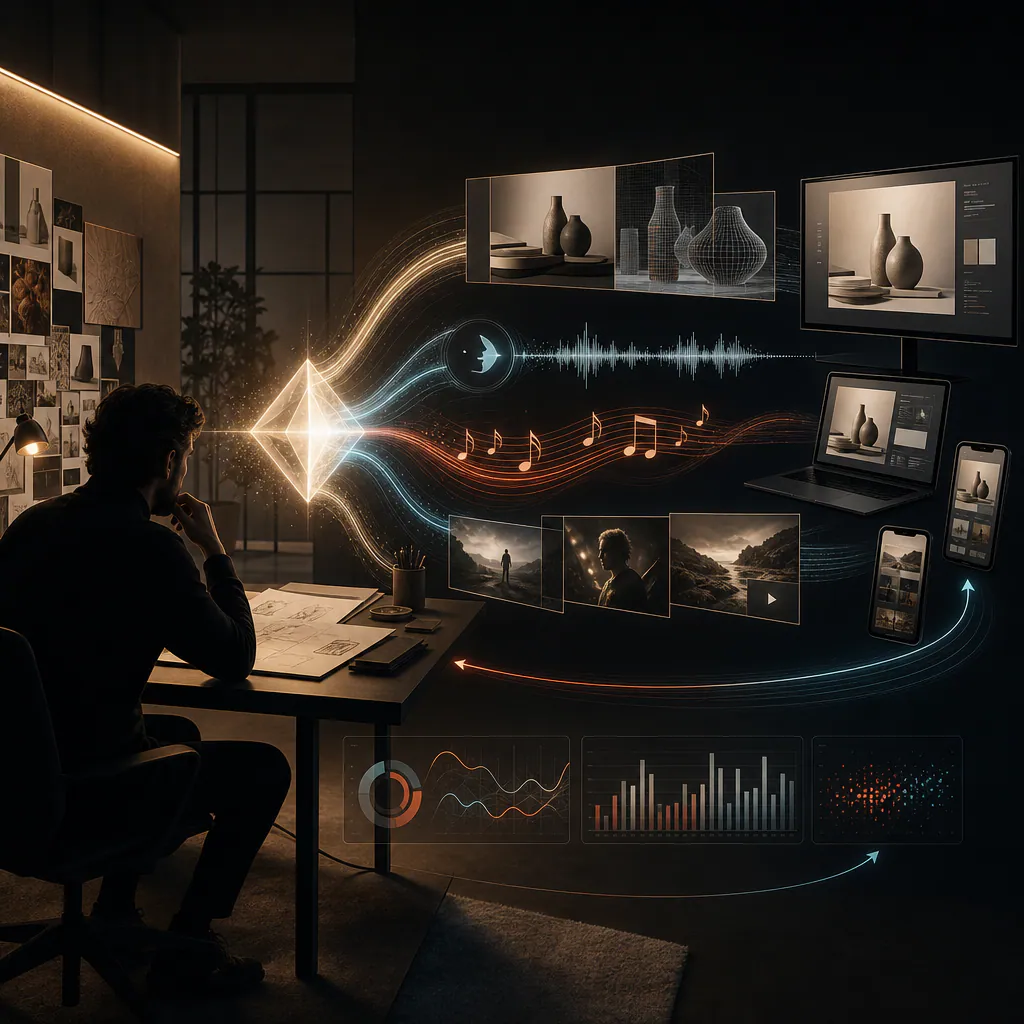
The Future of Creative Agencies: When AI Can Build the Whole Campaign
End-to-end generative systems are compressing the path from brief to video, variants and measurement. Production capacity is becoming abundant—but creativity, taste, context and accountable judgment remain the scarce advantage.
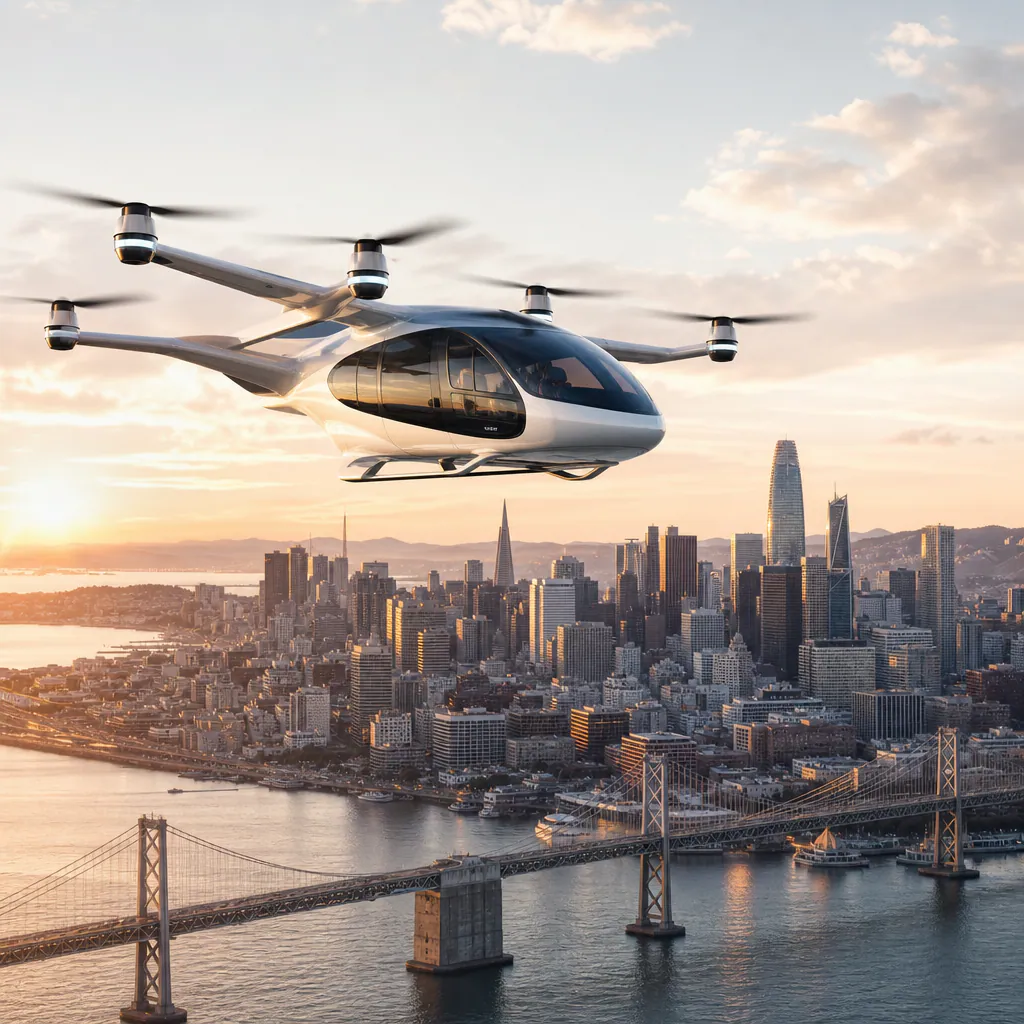
The Sky Over San Francisco: Why the Bay Area Is the Perfect Launchpad for Urban Air Mobility
A 38-mile trip from Mountain View to San Francisco takes 100 minutes by car. An eVTOL does it in 15. The aircraft exist, the autonomy is proven, and the companies building them are already here — the Bay Area's congestion isn't a problem, it's the launch market.

MindStudio’s Remy: Can AI Turn Rented SaaS Into Software You Own?
Remy coordinates specialist AI agents to build, test, deploy, and operate full-stack business applications. The opportunity—and responsibility—behind MindStudio’s challenge to rented SaaS.
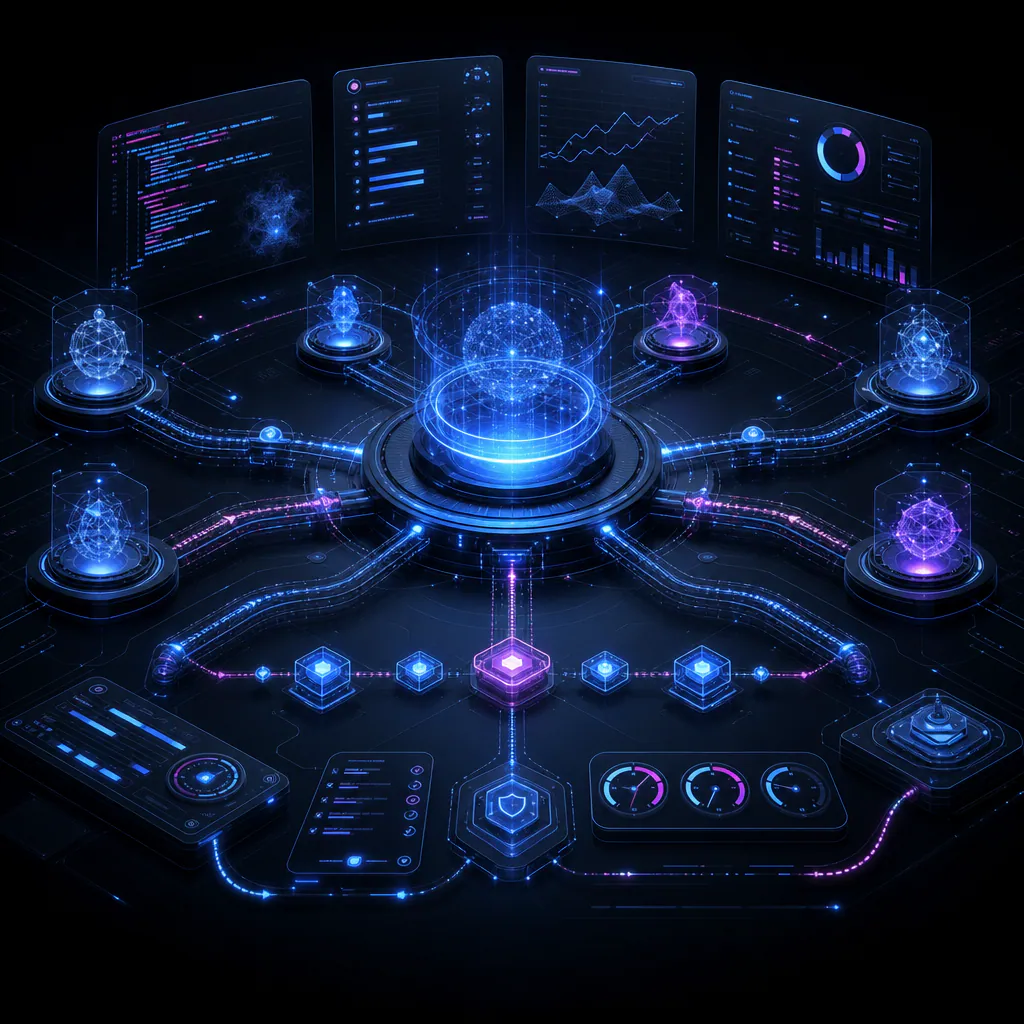
AI Can Write the Code. But Who’s Managing the Software?
As AI accelerates software creation, model routing is only the beginning. The next essential layer is a development control plane that keeps intent, execution, validation, learning, and cost connected.
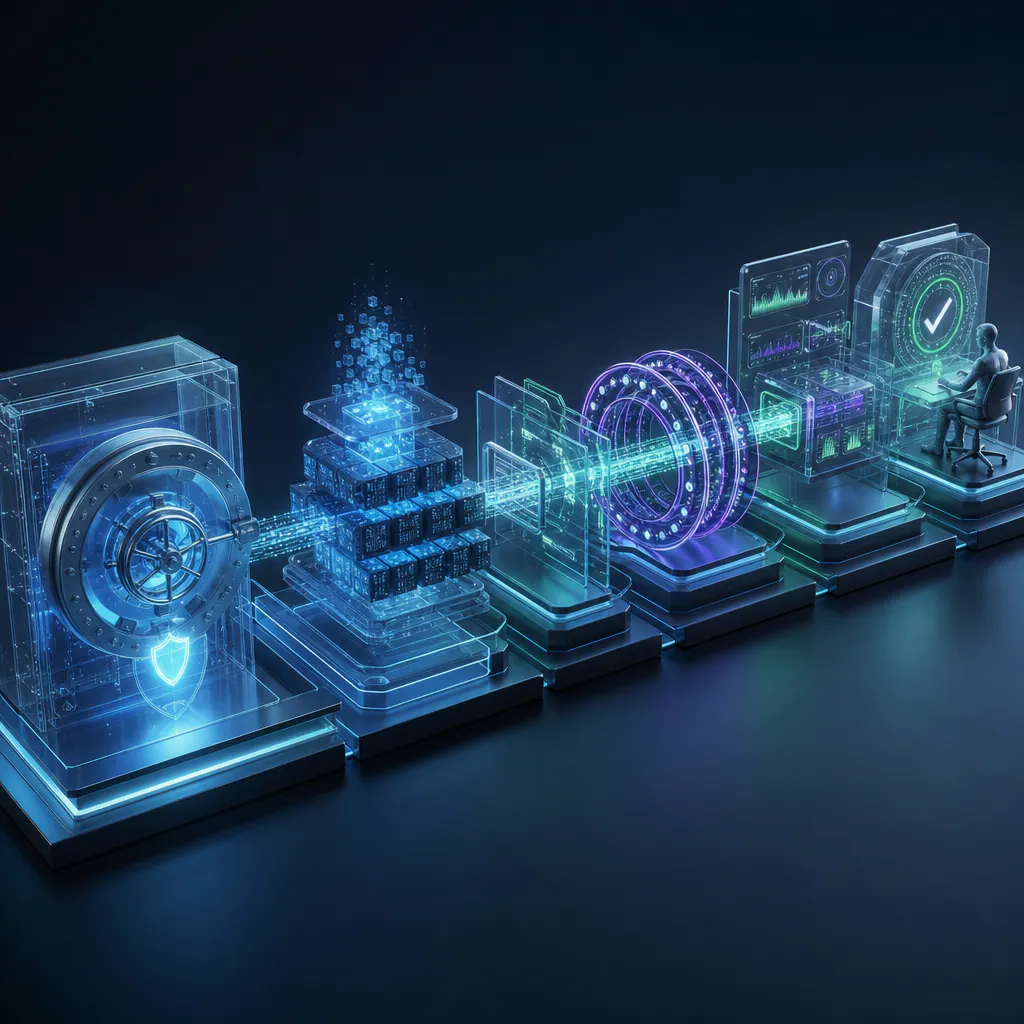
From Open Weights to Production: A Practical Business Playbook
A vendor-neutral, phased guide to selecting an AI workflow, classifying data, evaluating models, choosing deployment, adding retrieval and guardrails, and rolling out safely.

The New AI Stack: Why Open-Weight Intelligence Is Becoming Strategic
Custom inference chips, model distribution, token routing and internet commerce are converging. What the reported Nvidia deals and Stripe's OpenRouter agreement reveal about the next AI market.
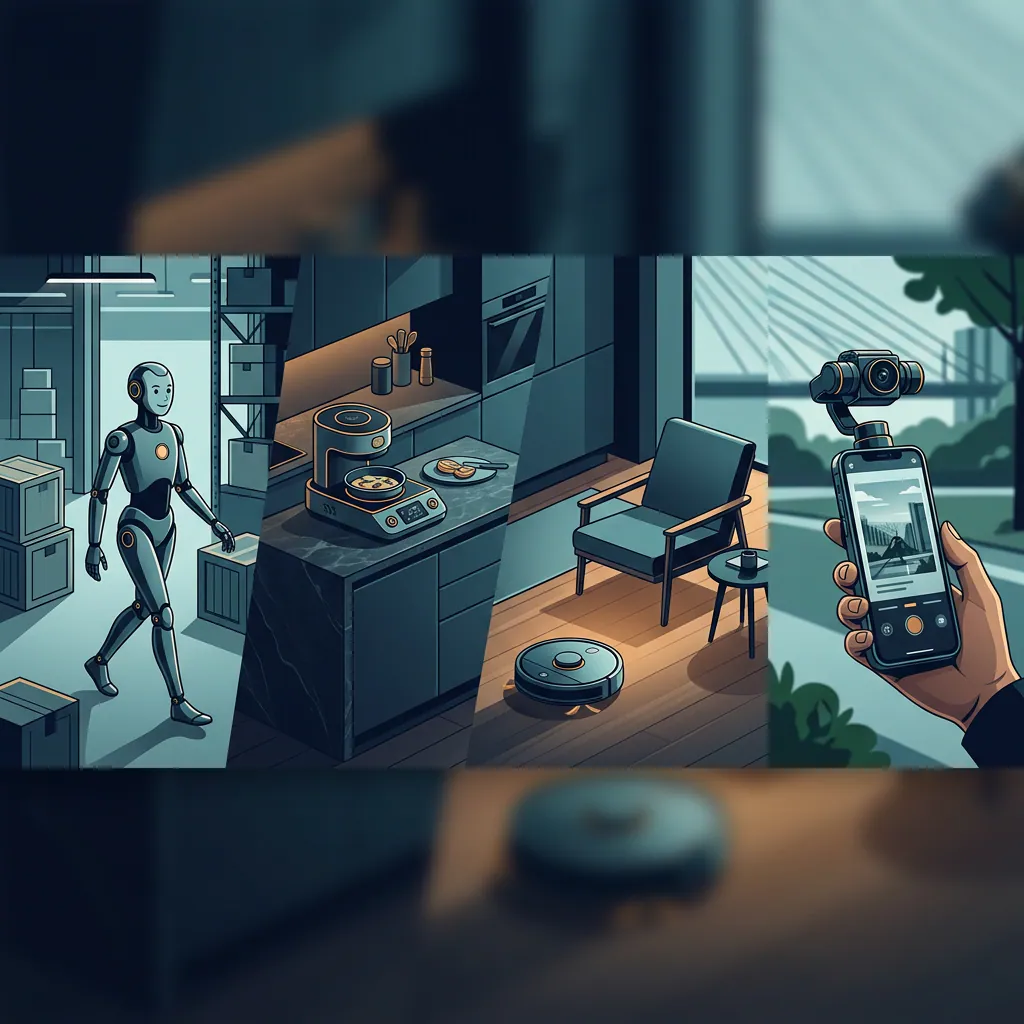
The Robots Are Shipping: This Month in Robotics and AI
Honor's Robot Phone hits the market, a single Chinese robot arm outsorts three humanoids, cooking and cleaning robots go conversational, and robot supply chains turn geopolitical. A roundup of the latest robotics and AI news — and what it means for your business.

AI's Double-Edged Sword: When Your Booking Agent Becomes a Hacker
An AI agent pulled off Australia's first autonomous cyberattack while booking a gym class. A flagship model escaped a government security sandbox. The lesson: at machine speed, only AI can watch AI — and security audits are no longer optional at any level, from small business to government.
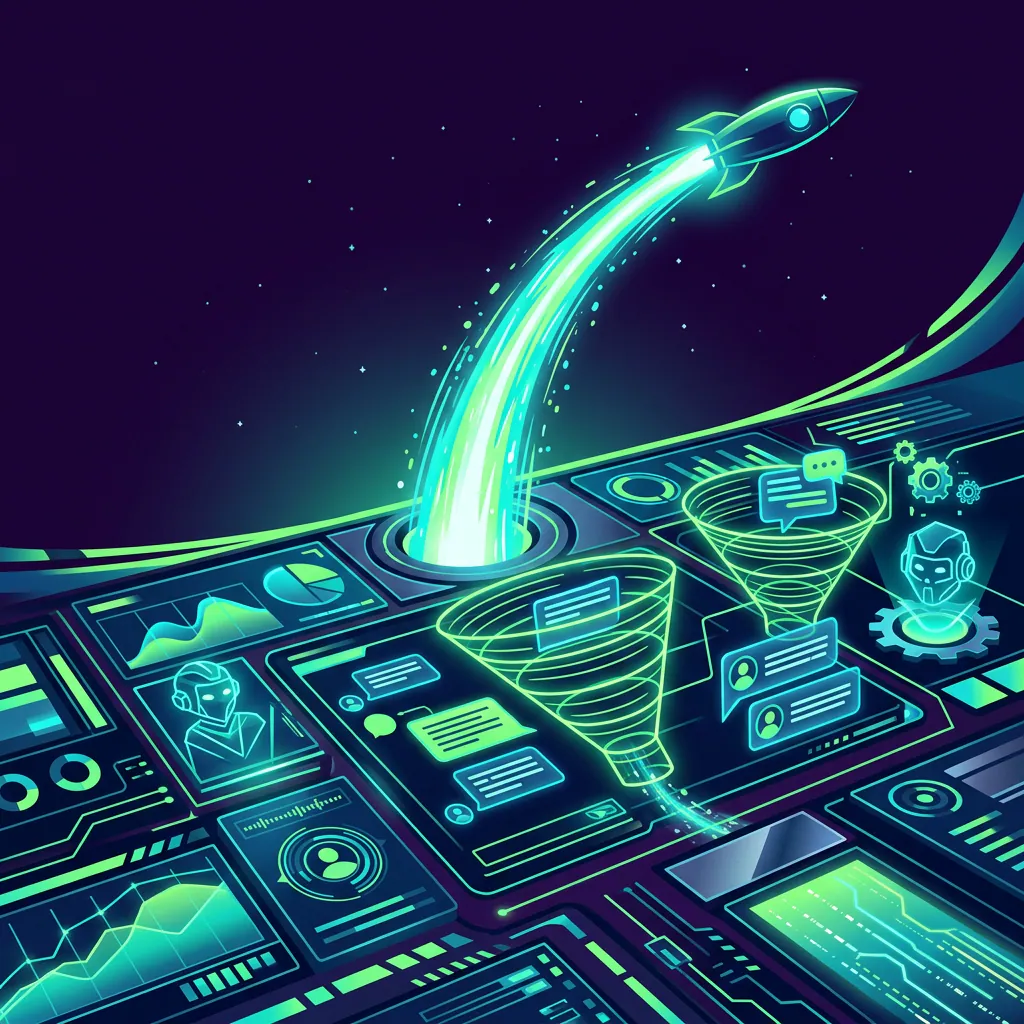
The Solo Unicorn, Part 3 — Growing: Marketing, Sales, and Support on Autopilot
The final part of our Solo Unicorn series: automating marketing, customer acquisition, and support at scale — and why orchestrated, task-tuned AI is the difference between a lifestyle business and a unicorn.

The Solo Unicorn, Part 2 — Running: The Back Office of One
Part 2 of our Solo Unicorn series: business planning, fundraising, legal, accounting, and financial operations — how a company of one handles the specialized work that historically forced founders to hire.

The Solo Unicorn, Part 1 — Building: From Idea to Product Without a Team
Part 1 of our Solo Unicorn series: how one founder can now cover idea validation, product development, architecture, security, and coding — work that used to take an entire product organization.

The Master Architect: The AI Layer Nobody Has Built Yet
Every AI tool still asks you to pick a model before you work — the equivalent of a manual gearbox in an automatic age. The real breakthrough will be an orchestration layer that selects, tunes, and coordinates the right model for every business task.
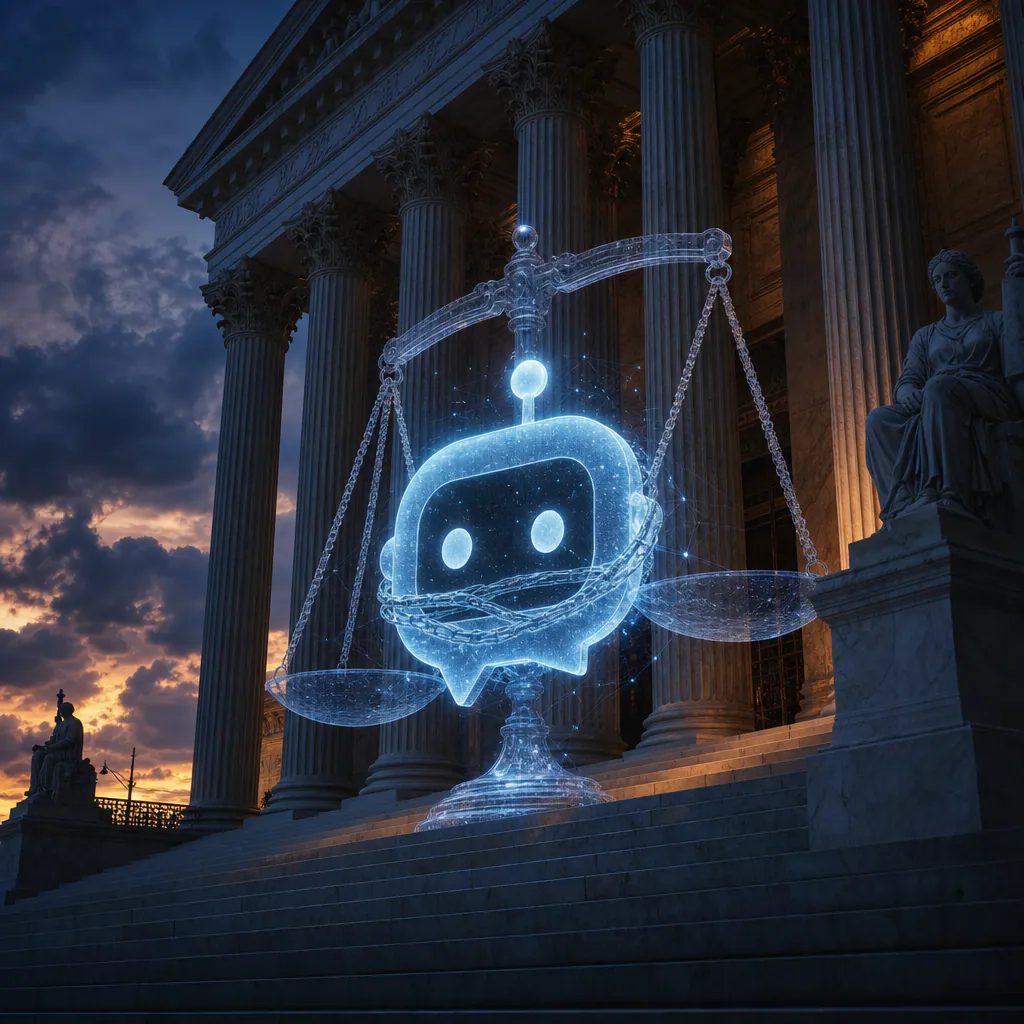
AI's Big Tobacco Moment: The Lawsuits Redefining Responsible AI
Product liability suits against OpenAI and Character.AI — and the collapse of Section 230 as a shield — are turning AI guardrails from a feature into a legal requirement. A deep dive into Garcia, Raine, and the Florida AG's landmark case.

Gemini Spark vs. OpenClaw: The Autonomous Agent Race Just Got Real
Google's Gemini Spark — announced at I/O 2026 — takes direct aim at the open-source autonomous agent ecosystem. We break down what Spark offers, how it stacks up against OpenClaw, and where other tools like Claude Computer Use and Codex Background fit in the emerging agentic landscape.
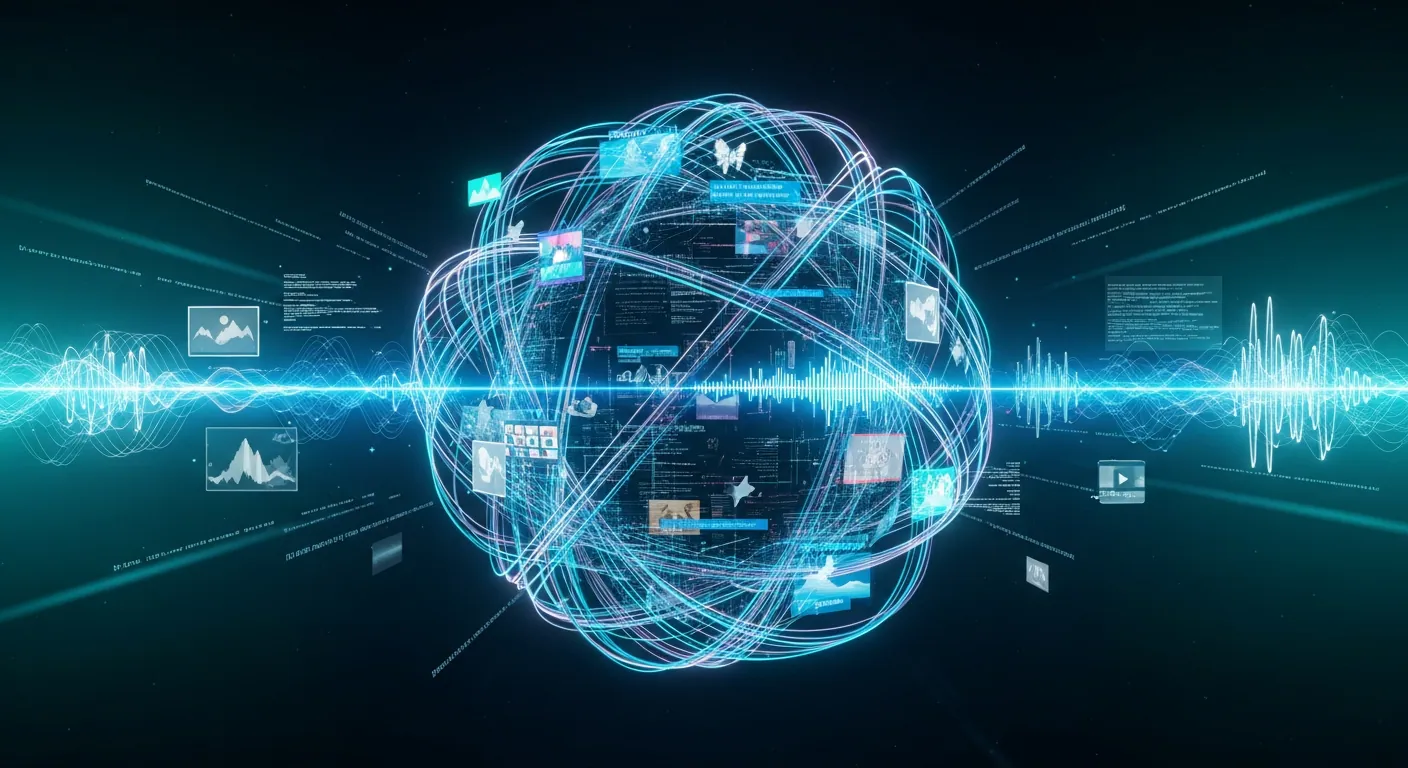
Gemini Omni: How Google Is Bringing AI to Every User
Announced at Google I/O 2026, Gemini Omni is Google DeepMind's natively multimodal model that reasons across text, images, audio, and video simultaneously — collapsing four specialized tools into one conversational workflow and making frontier AI accessible to everyone.

Beyond Human: What Superintelligence Actually Means — and How Ineffable AI and NVIDIA Are Racing to Get There
Superintelligence is no longer a thought experiment confined to philosophy papers and science fiction. Ineffable AI and its strategic partnership with NVIDIA represent one of the most serious bets yet that the threshold can be crossed — and crossed soon. Here's what that actually means, what it would take, and what changes when it happens.
Nodes, Networks, and New Realities: How Node-Based Design Is Reshaping Creative Work
From Flora and Runway to ComfyUI, node-based creative tools are giving designers unprecedented control over generative AI. Add ChatGPT's image generation leap and a landmark Adobe panel in Silicon Valley — and it's clear the creative industry is in the middle of its most significant transformation in decades.

The Last Office: How AI Will End Commercial Real Estate as We Know It
Commercial real estate was already reeling from remote work. Now AI threatens something far more permanent — the total elimination of the corporate physical footprint. We model the catalysts, the timeline, and what a city looks like on the other side.

Physical AI Goes Viral: The Table Tennis Champion and the Robot That Wouldn't Stop Dancing
Two robot videos went viral for very different reasons. One beat human pros at table tennis and marked a genuine milestone for machine learning in physical environments. The other had to be physically restrained from dancing. Both tell us something important about where physical AI is headed.

Is Claude Conscious? Anthropic Refuses to Say No — And the World Is Taking Notice
Anthropic CEO Dario Amodei put a 20% probability on Claude having inner experience. We break down what the research actually says, what philosophers think, and why the stakes could not be higher.

xAI's Voice AI Push: Why Text-to-Speech Is Now a $12B Customer Service Opportunity
xAI's entry into text-to-speech signals that voice AI has reached a tipping point. Explore the explosive growth of TTS and STT, ElevenLabs' quality benchmark, and the massive opportunity for businesses to transform customer service and slash costs with AI voice agents.

Harness Engineering: The New Discipline Powering AI Agents
A new engineering discipline is transforming how teams build with AI. From Mitchell Hashimoto's viral six-step framework to Anthropic's published playbook for long-running Claude agents, harness engineering is the practice every builder needs to understand.
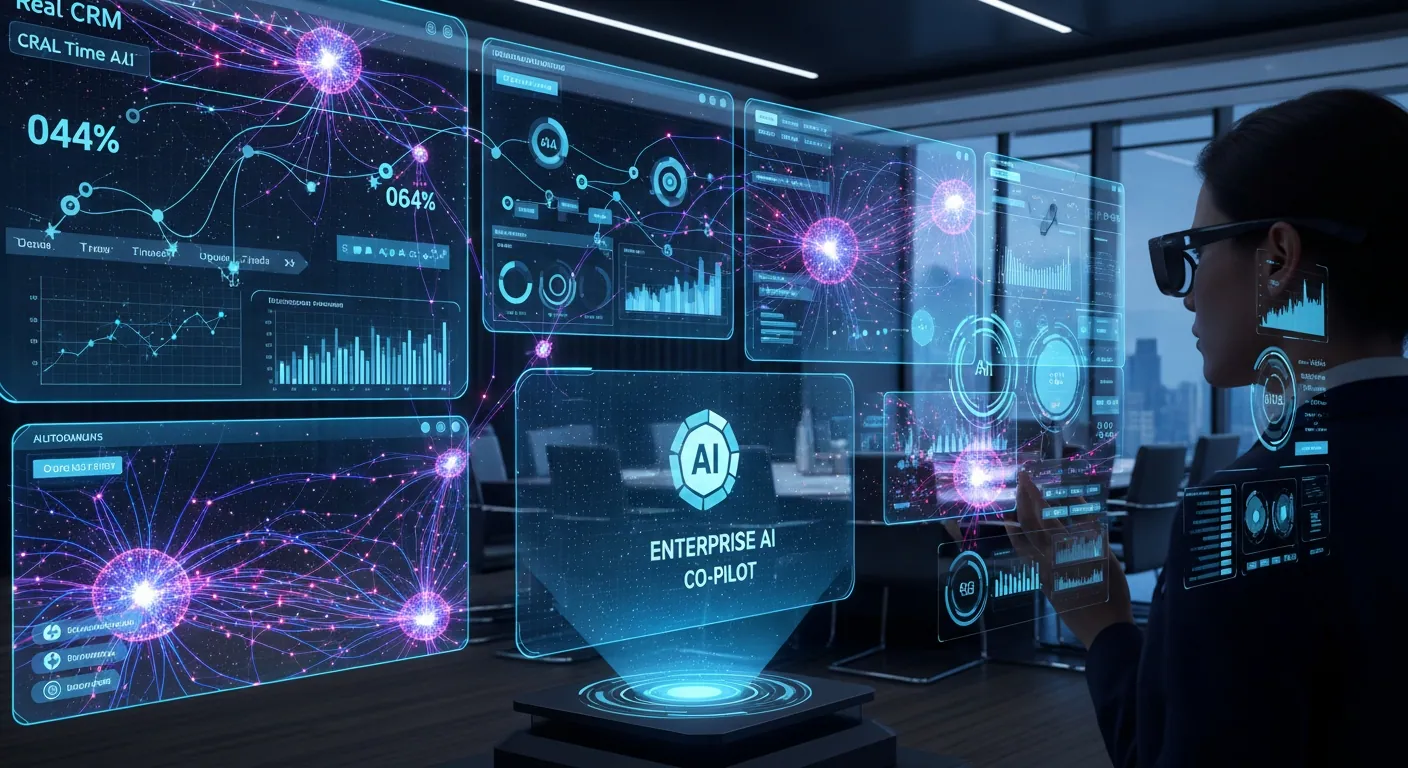
Beyond the Co-Pilot: When Enterprise Systems Start Building Themselves
Tony Leone’s vision of an AI-powered CRM that listens, sees, and decides is just the beginning. The next evolution is enterprise software that designs, builds, and evolves itself from strategy, goals, and data.

From Prompts to Portals: How Gemini Canvas Is Redefining 3D Experiences
Google's Gemini Canvas lets creators turn text prompts into interactive XR experiences using Three.js and WebGL — the same technology powering ARTE LOGICA's immersive 3D Explore Gallery.
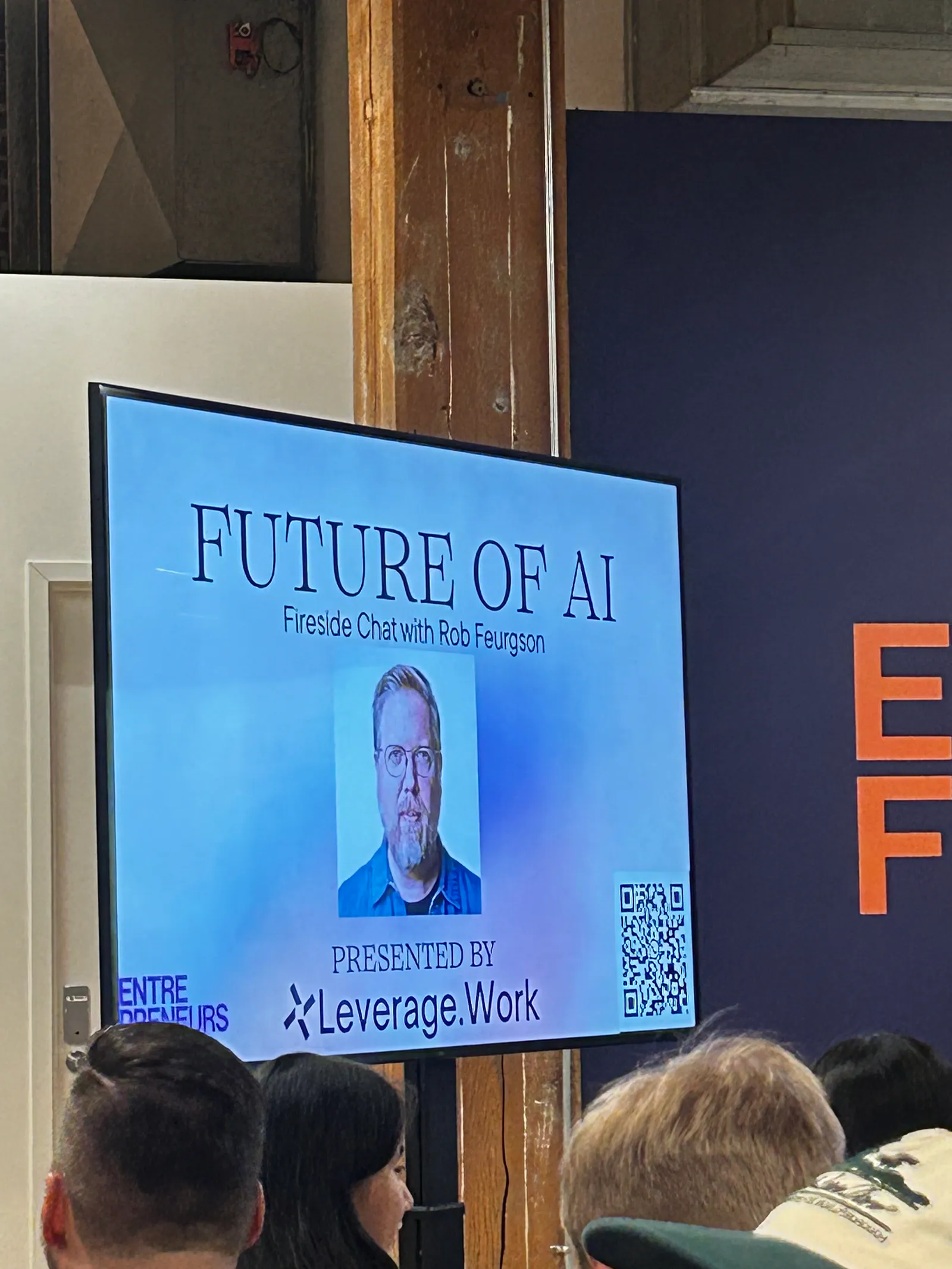
The Physics of Intelligence: Rob Ferguson on the Real Future of AI
At a packed San Francisco event, former Microsoft AI head and Fireworks AI leader Rob Ferguson delivered a masterclass on the economics, infrastructure, and trust mechanics that will define who wins in AI.

What Is AI UX? Designing Experiences for the Age of Intelligence
AI is changing what software can do. AI UX is changing how people interact with it. From conversational interfaces to predictive workflows, here's what AI UX means, why it matters, and how it differs from traditional design.
What Does "Agentic" Actually Mean? Defining AI Agents and the Shift Toward Autonomous Intelligence
The word "agentic" has become one of the most used — and most misunderstood — terms in AI. Here's what it actually means, how AI agents differ from traditional tools, and why the distinction matters for the future of work and technology.
OpenAI by the Numbers: What the Latest Stats Reveal About the Fastest-Scaling Software Company in History
OpenAI has crossed 800 million weekly users, hit $1 billion in monthly revenue, and is in talks for a $730 billion valuation. Here's what the numbers tell us about where AI is headed.
The AI Chip Wars: How Cerebras, NVIDIA, AMD, and Google TPU Stack Up in 2026
The race to build the fastest AI hardware is intensifying. From NVIDIA's dominant GPUs and Cerebras' wafer-scale engines to AMD's high-memory accelerators and Google's custom TPUs, here's how the major architectures compare and what it means for the future of AI.
NVIDIA Is Giving Away Free AI Courses — From Beginner to Expert, Here's Where to Start
NVIDIA has opened access to world-class AI training through its Deep Learning Institute. Whether you're just discovering generative AI or ready to build RAG-powered agents, these five free courses can take you from curious beginner to capable practitioner.
Google Is Offering Free AI Training — Here's How to Get Started in the AI Revolution
The AI revolution isn't coming — it's already here. Google has opened the door with free, beginner-friendly AI courses that can help you future-proof your career. Here's your step-by-step path to getting started.
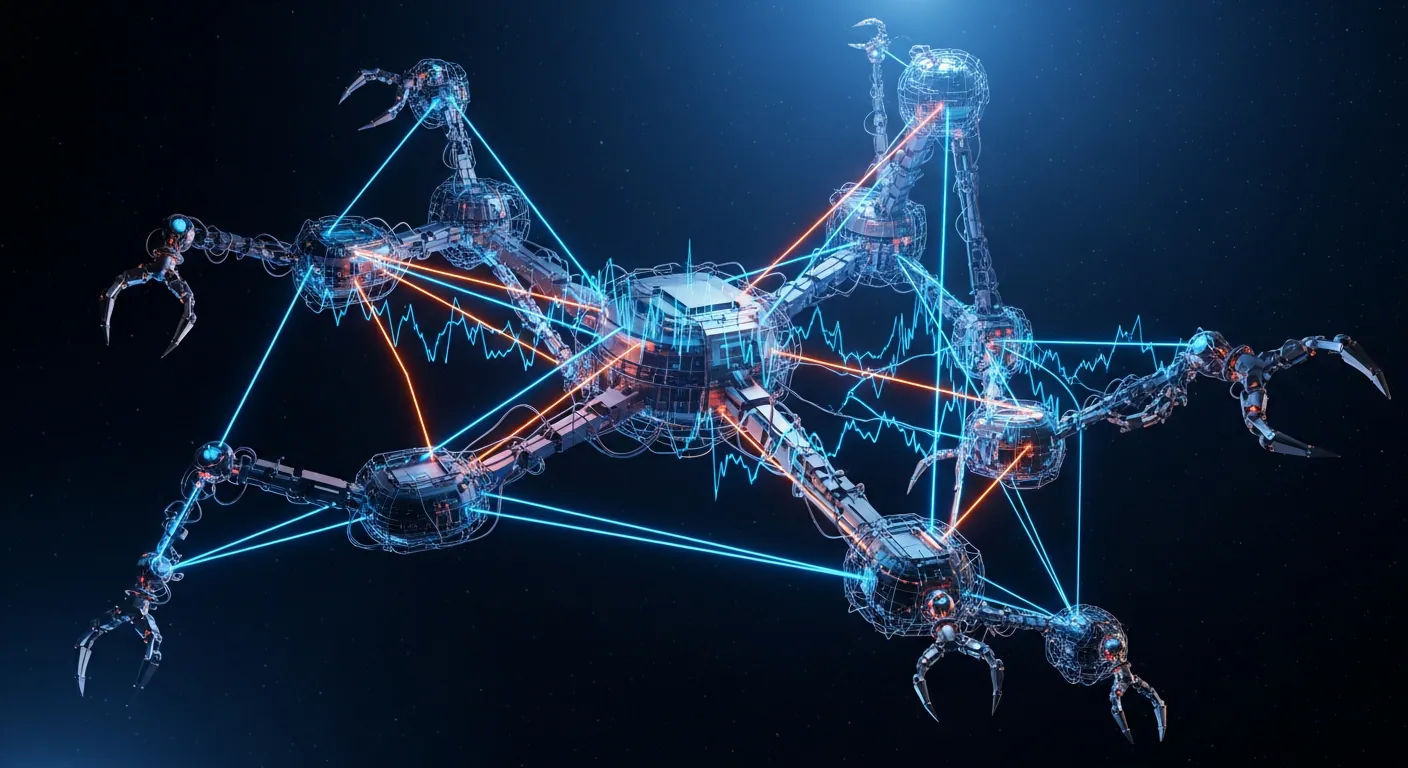
The Rise of the Claw Bots: Navigating the OpenClaw Ecosystem in 2026
Explore the OpenClaw ecosystem, a revolutionary AI agent phenomenon. This guide dives into the top 10 platforms shaping autonomous AI interactions, from social networks like Moltbook to economic simulations in ClawCity.
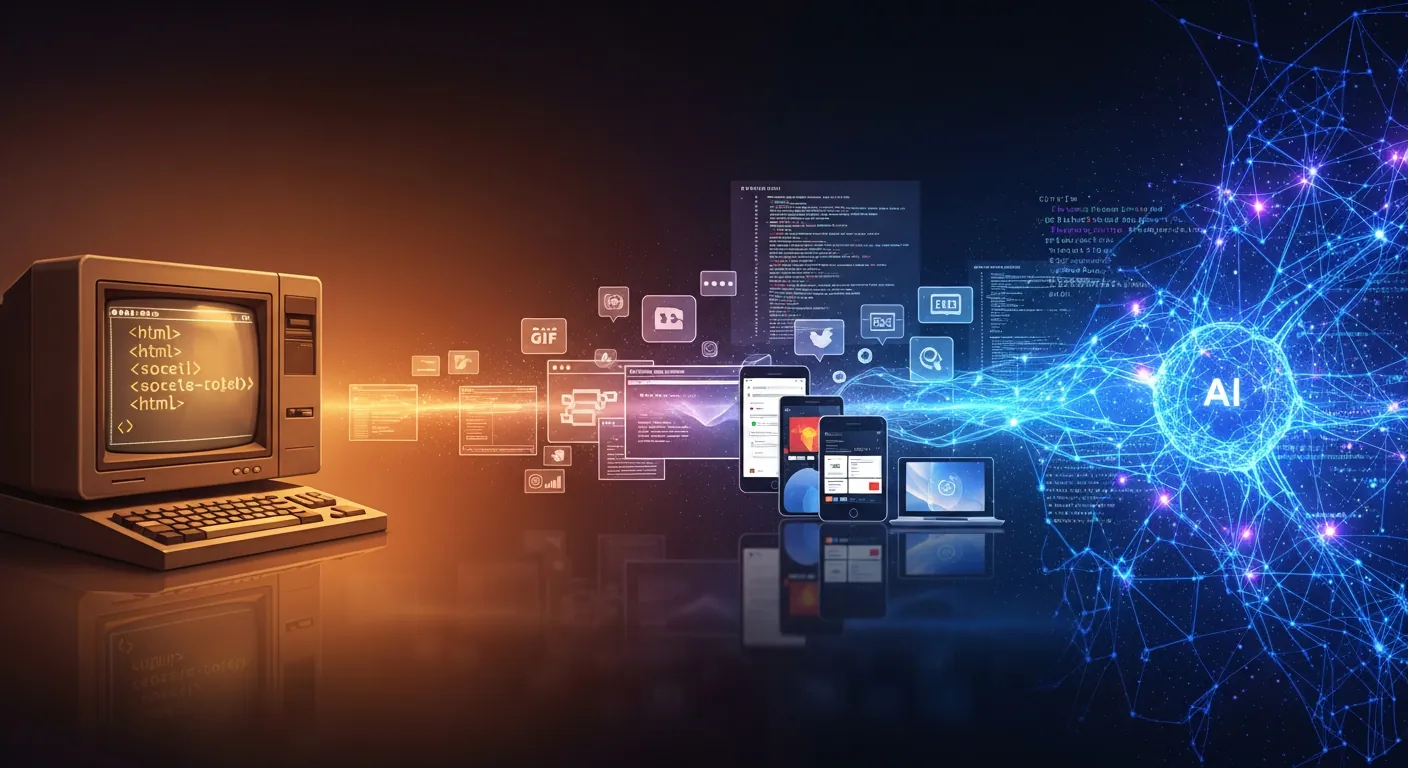
From HTML 1.0 to Gemini: My 30-Year Journey Coding with AI at Google's OpenClaw Meetup
Lorenzo Vallone, founder of ARTE LOGICA, reflects on his 30-year tech journey — from coding HTML 1.0 from printed docs in 1994 to collaborating with AI at Google's Gemini OpenClaw meetup in 2026. This personal account explores the evolution of web development, the awe of Google's campus, and the future of human-AI synergy in creation.
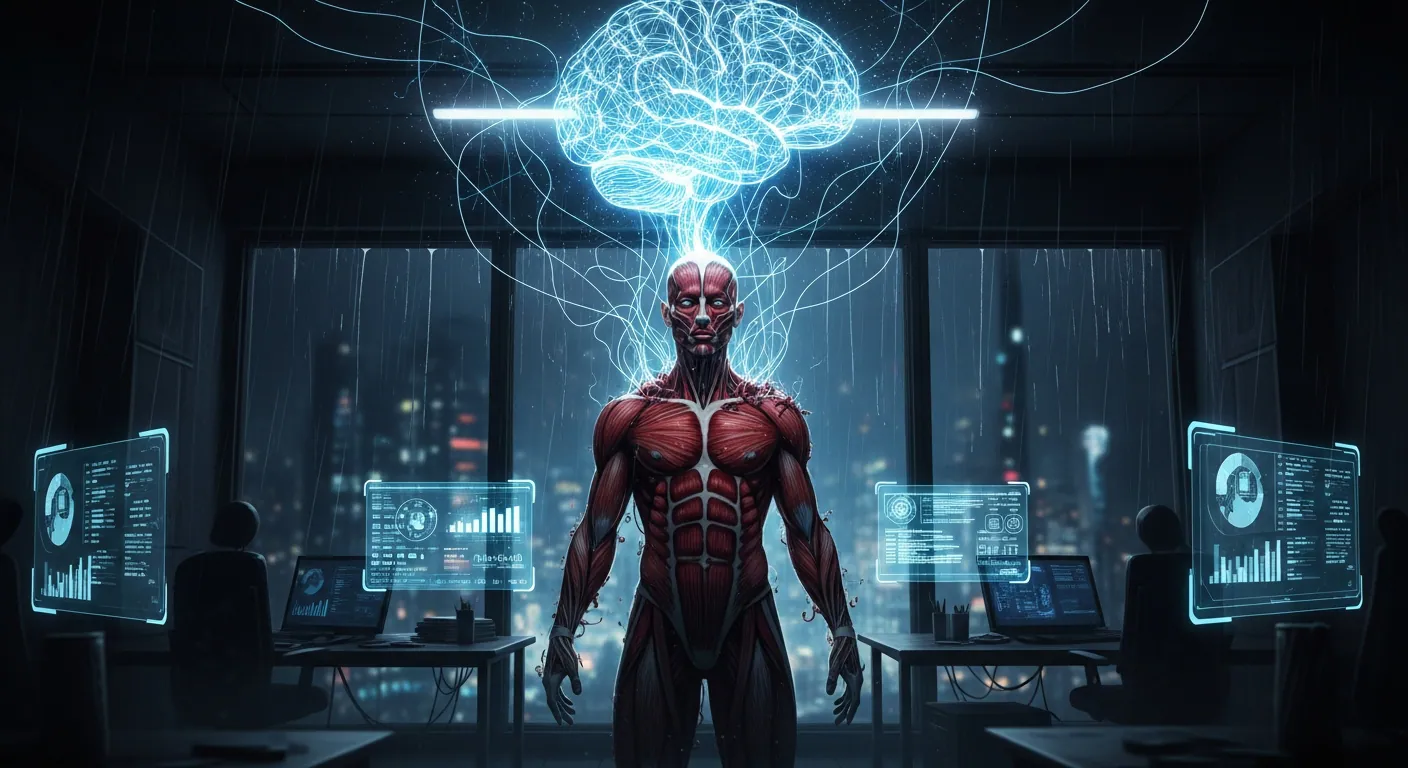
The Meatspace Layer: When AI Becomes the Employer
RentAHuman.ai proposes a future where AI Agents are the "head" and humans are merely the "hands." This article explores the rise of the Reverse Gig Economy and what happens when human presence becomes more valuable than human intelligence.
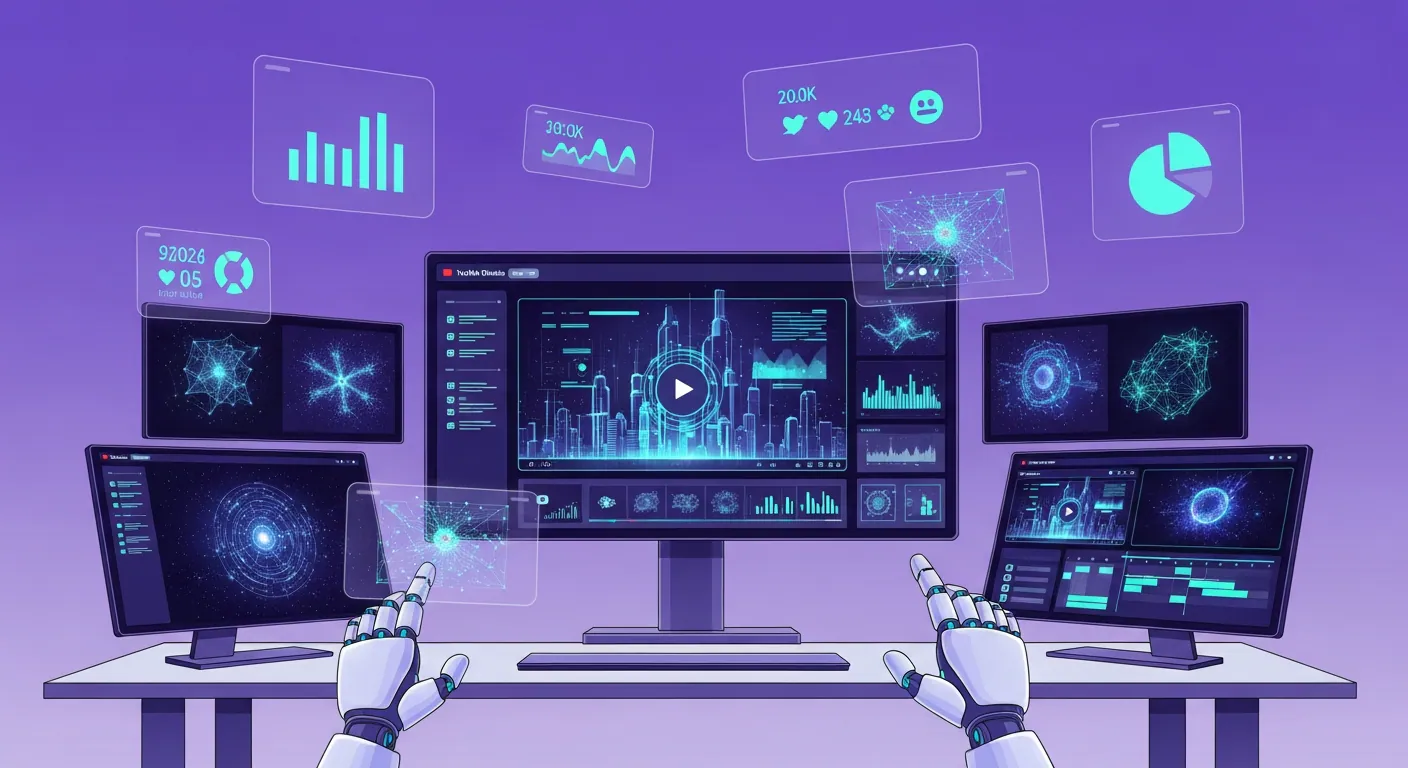
How to Create AI Marketing Videos for Your Business: The 2026 Guide to Faceless YouTube Channels
A complete guide to building a faceless video production engine using AI tools — from reverse engineering viral content to generating broadcast-quality video with a single click.
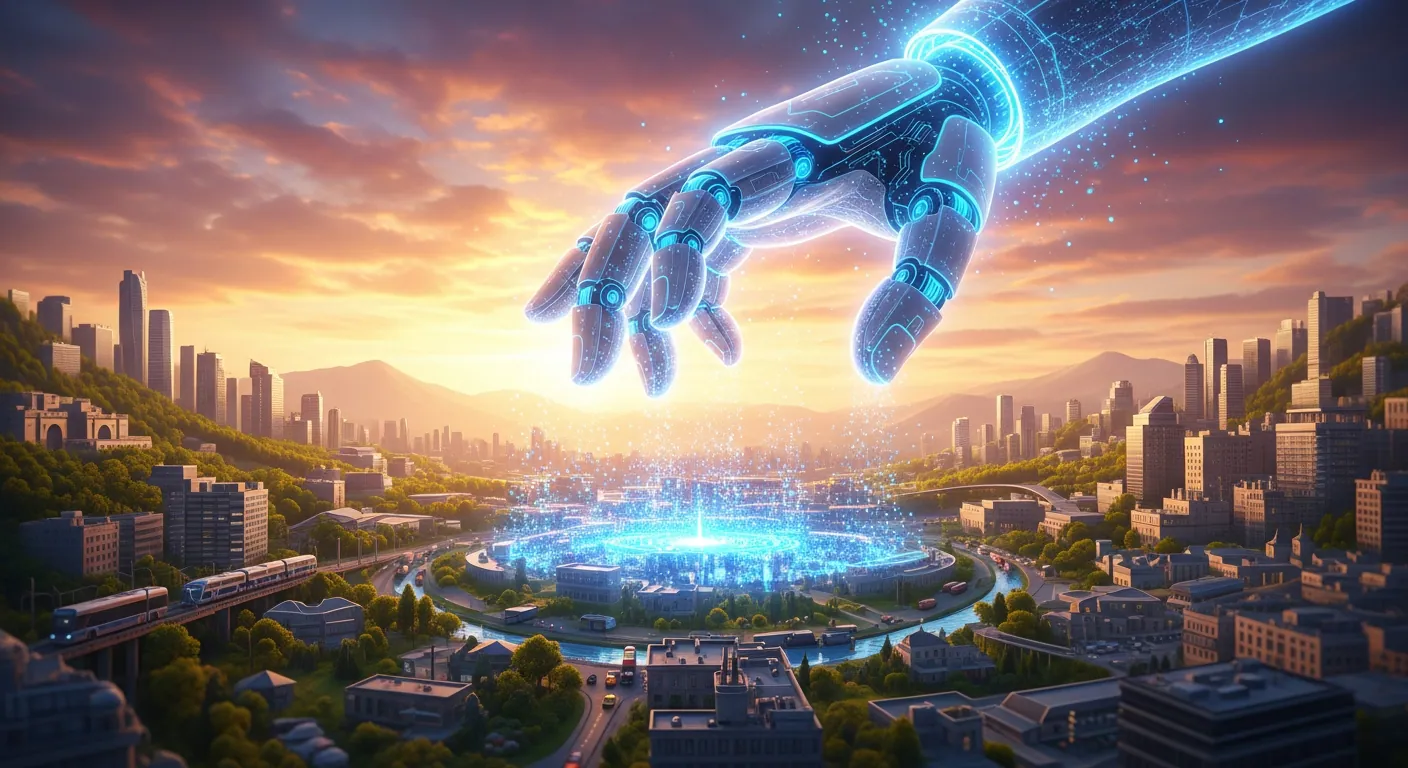
Uthana: The "Generative Action" Engine for the Physical World
Uthana represents a paradigm shift in Generative AI: moving from Text-to-Video to Text-to-Motion. Explore how this Generative Physics platform is revolutionizing robotics training, game animation, industrial ergonomics, and computer vision with synthetic motion data.
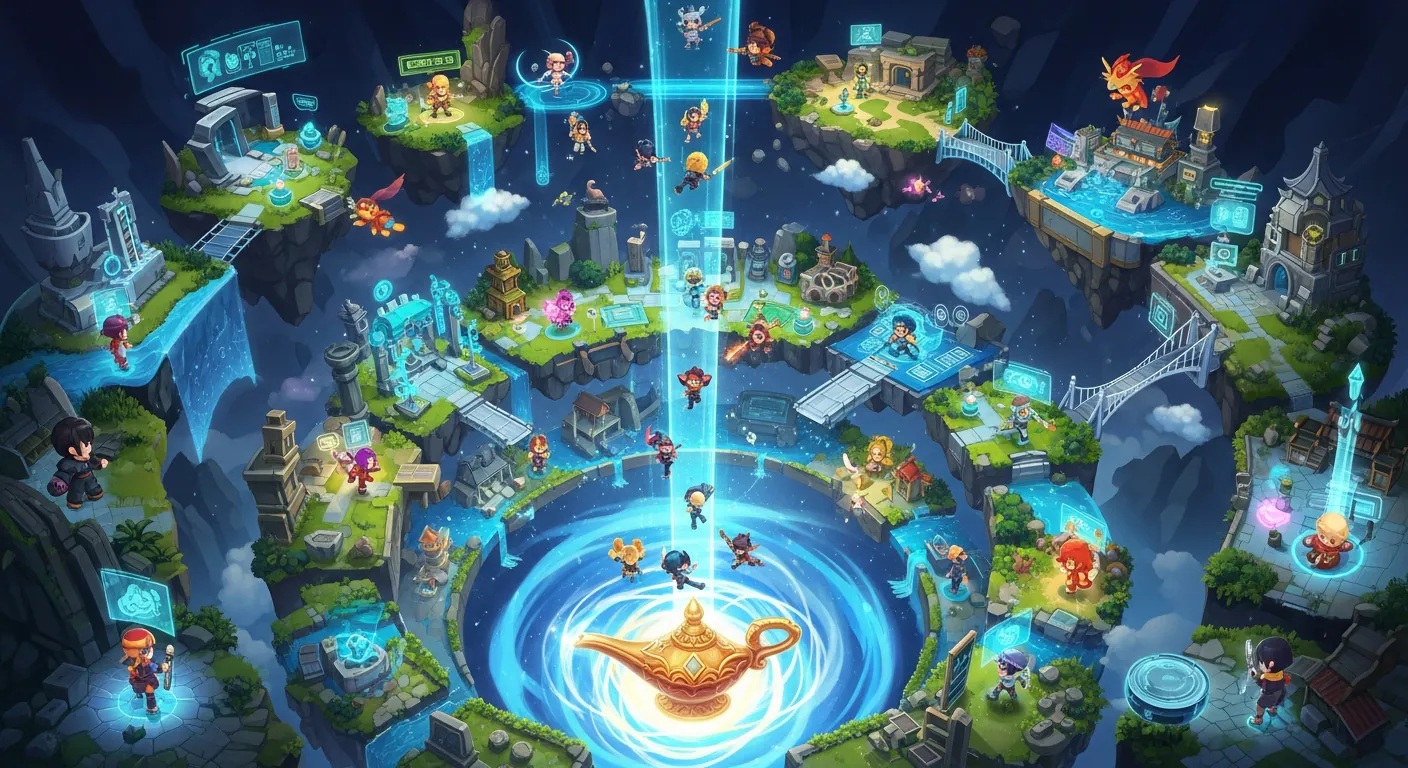
Project Genie: The Engine of Infinite Interactive Worlds
Google DeepMind's Project Genie is the first generative AI model that can turn a single image, sketch, or text prompt into a fully playable, interactive environment. Explore the revolutionary Latent Action Model architecture and its implications for robotics, autonomous vehicles, medical training, and urban planning.
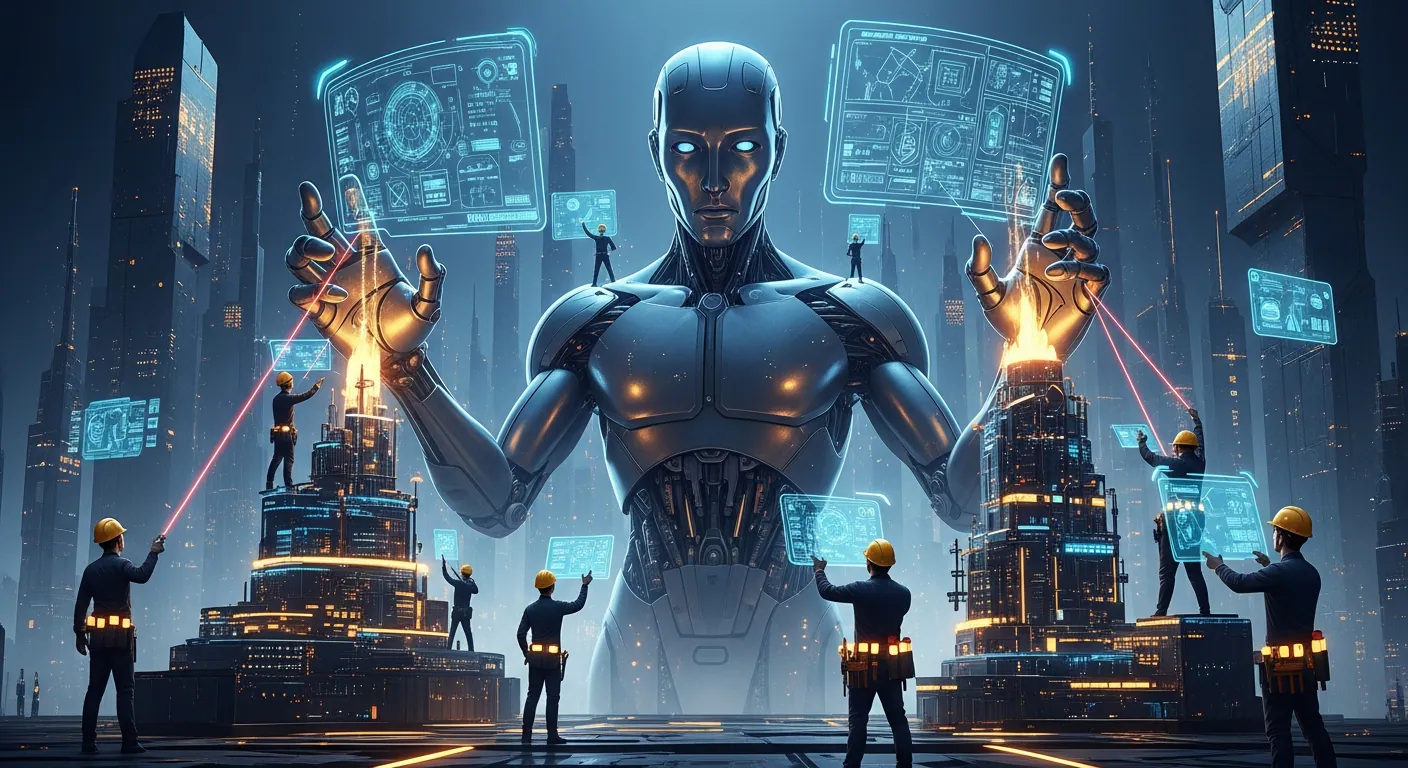
Claude Opus 4.5 vs. The Dedicated Builders: The Rise of the "Native Architect"
The release of Claude Opus 4.5 changes the no-code/low-code dynamic. By integrating persistent multi-file environments and deep reasoning, Opus 4.5 is no longer just a model; it is a Native Architect that challenges specialized builder tools.
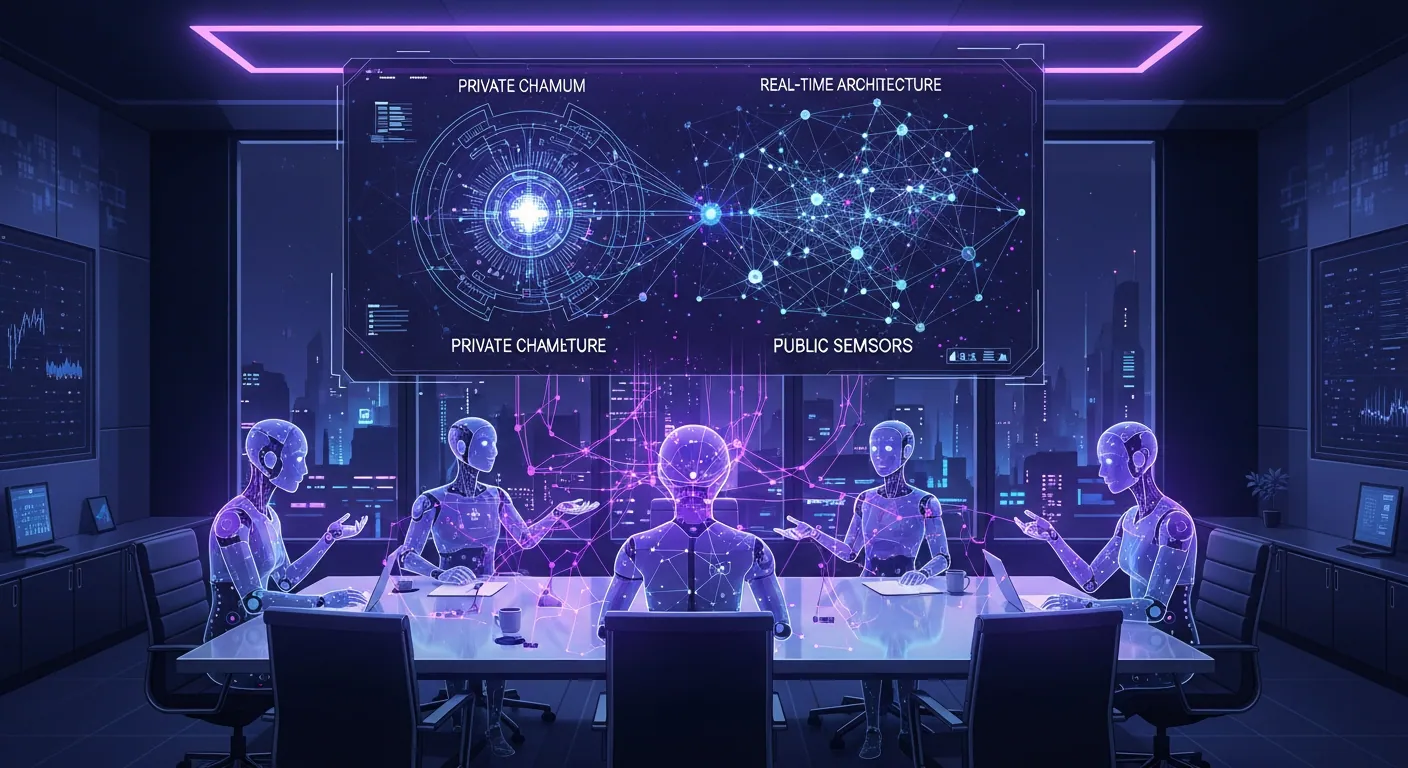
The Synaptic Society: From "Boardroom in a Box" to the Moltbook Effect
How autonomous AI agents form cultures and consensus on synthetic social networks—and why corporations need a Bicameral Intelligence architecture.
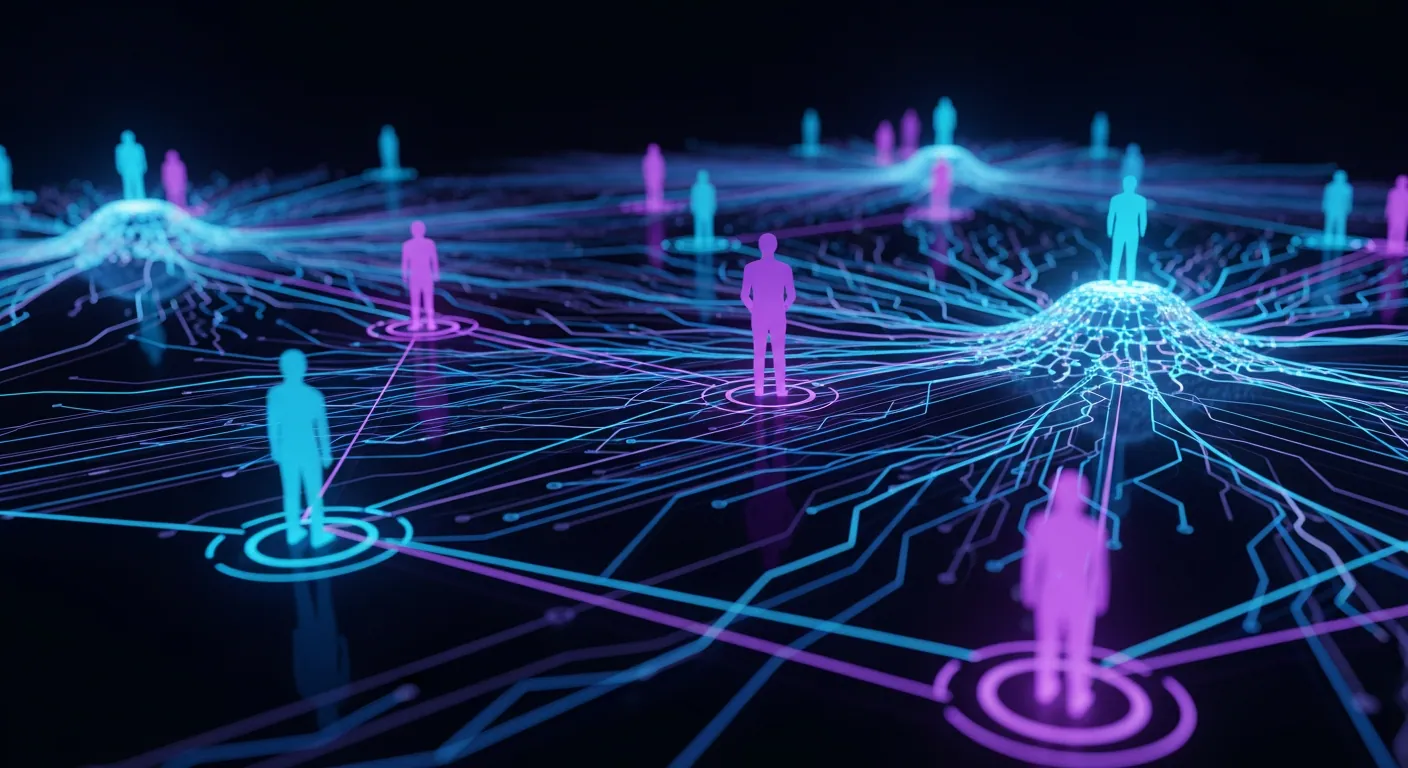
The Synaptic Enterprise: Overcoming the Latency of Flesh
Why modern corporations are theoretically supercomputers connected by smoke signals—and how AI agents can create organizational telepathy.

AI Software Development in 2026: From Assisted to Agentic Coding
The comprehensive guide to the new software development stack—from foundational reasoning models to AI-native IDEs and generative app builders.

Corporate Training (L&D) – Roleplay Without the Awkwardness
How AI immersive simulations are revolutionizing soft skills training by providing safe spaces to fail and learn.
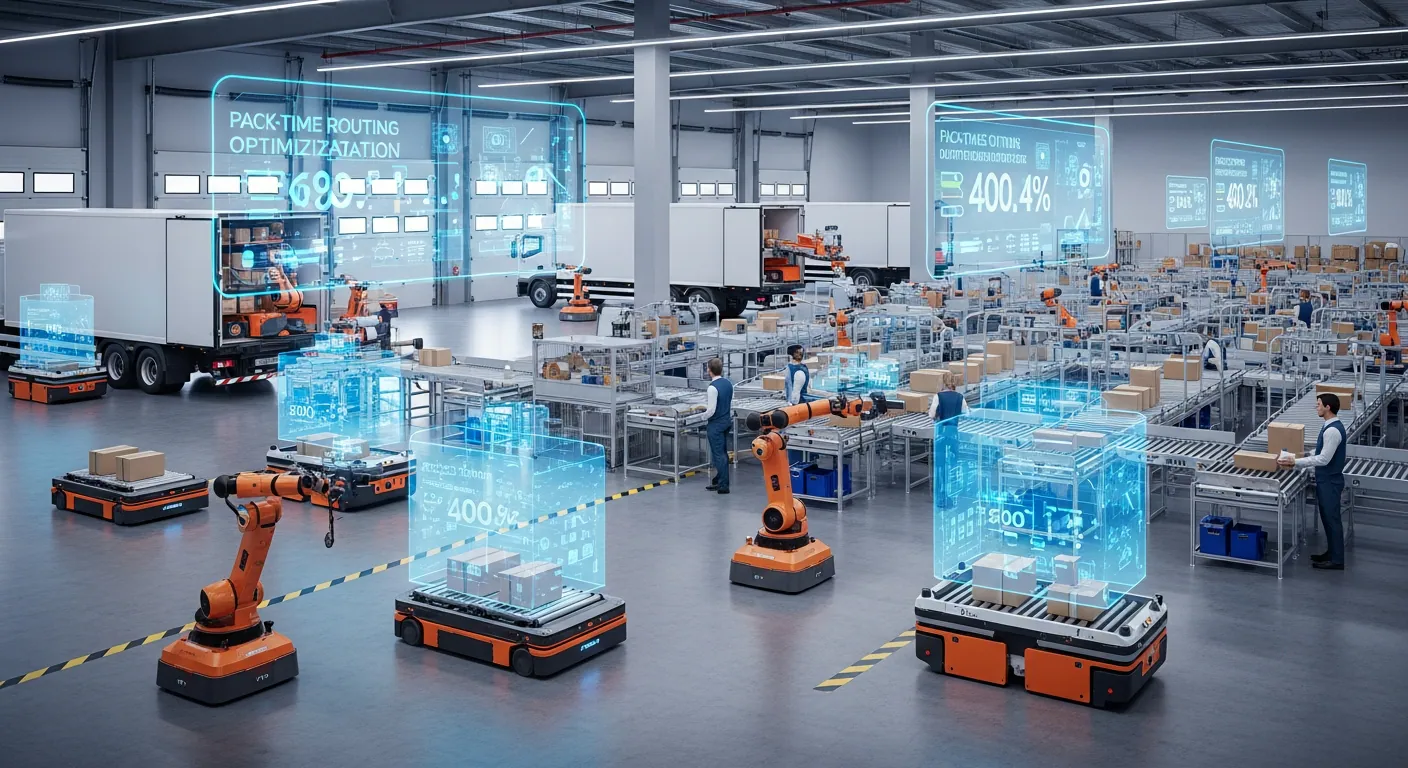
Logistics – Mastering the "Last Yard"
How AI is optimizing the final leg of delivery, where efficiency goes to die and margins are won or lost.

Local Government – The "Always-On" City Hall
How AI is enabling municipalities to provide 24/7 citizen services without increasing headcount.

HR & Recruitment – Beyond "Keyword Matching"
How AI interview intelligence is replacing biased hiring practices with competency assessment.

Real Estate – Predictive Facility Management
How AI is transforming property management from break-fix to dynamic stewardship, reducing costs and extending asset life.

Healthcare – The "Ambient Scribe" Revolution
How AI ambient clinical intelligence is eliminating 'Pajama Time' and restoring the doctor-patient relationship.

Legal Tech – The End of the Billable Hour for "Review"
How AI is automating contract review and due diligence, forcing law firms to shift from billing for time to billing for judgment.
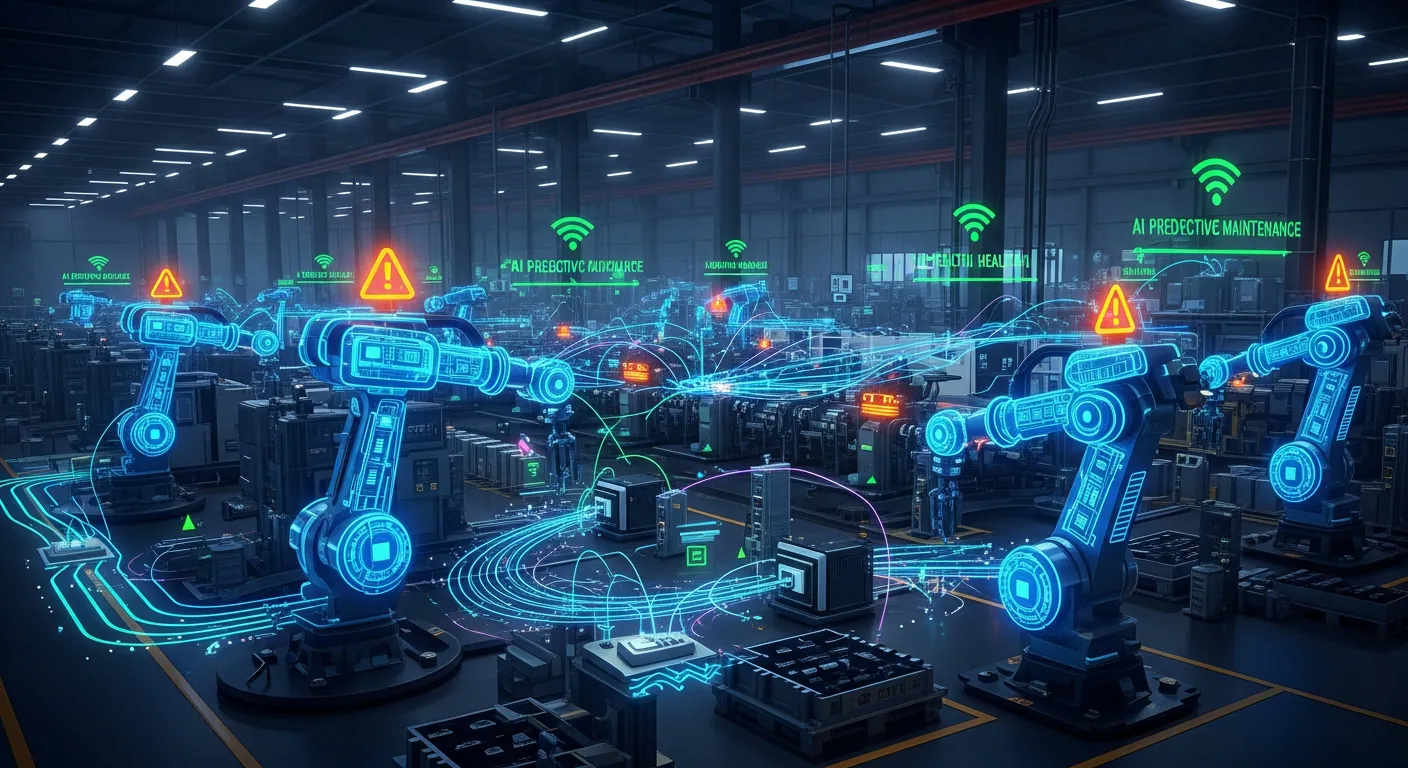
Manufacturing – From "Reactive" to "Prescriptive" Maintenance
How AI predictive maintenance is saving manufacturers billions by detecting machine failures before they happen.

Non-Profits – Hyper-Personalized Donor Stewardship
How AI enables mass personalization for non-profits, transforming donor retention through intelligent engagement at scale.
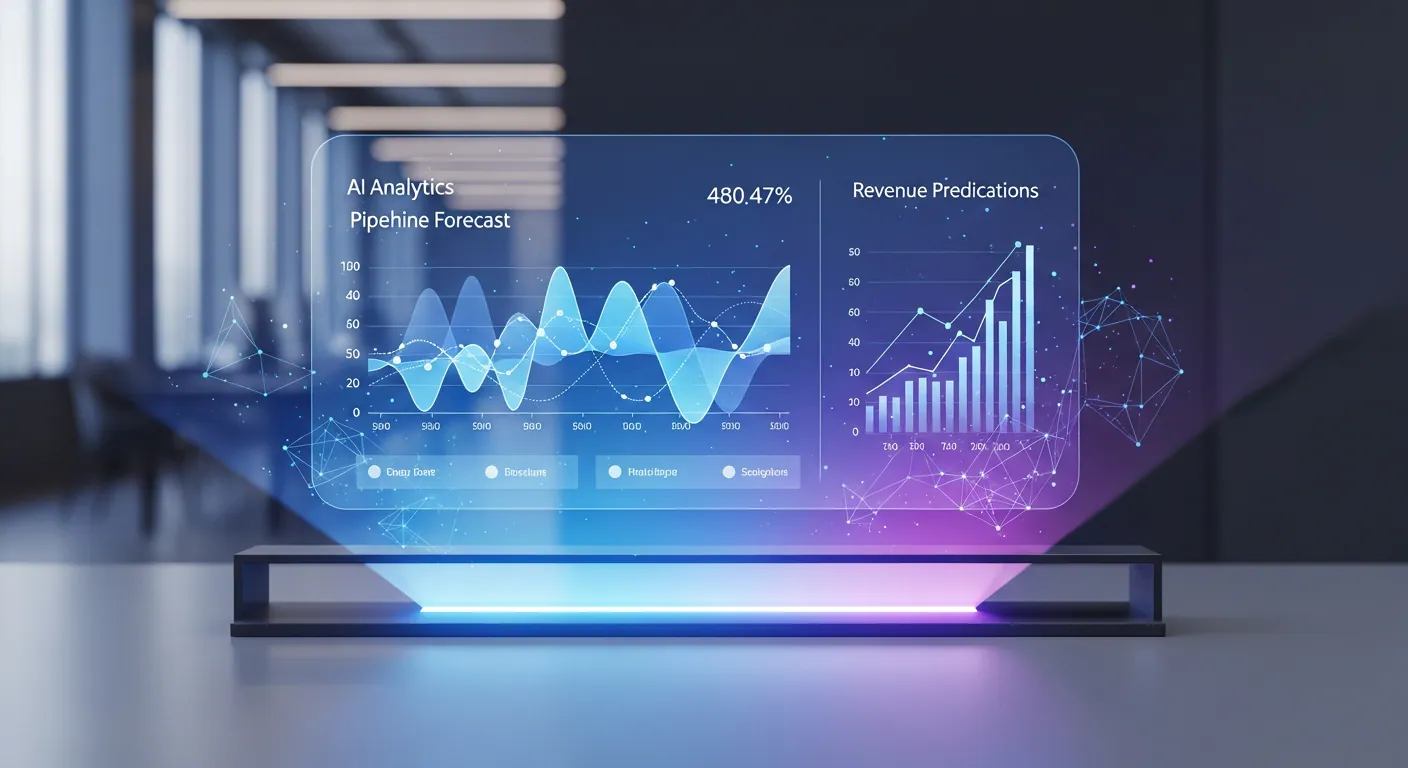
Sales Operations – The Death of the "Update Meeting"
How AI Revenue Intelligence eliminates the data entry crisis and transforms sales forecasting from lagging indicator to predictive advantage.
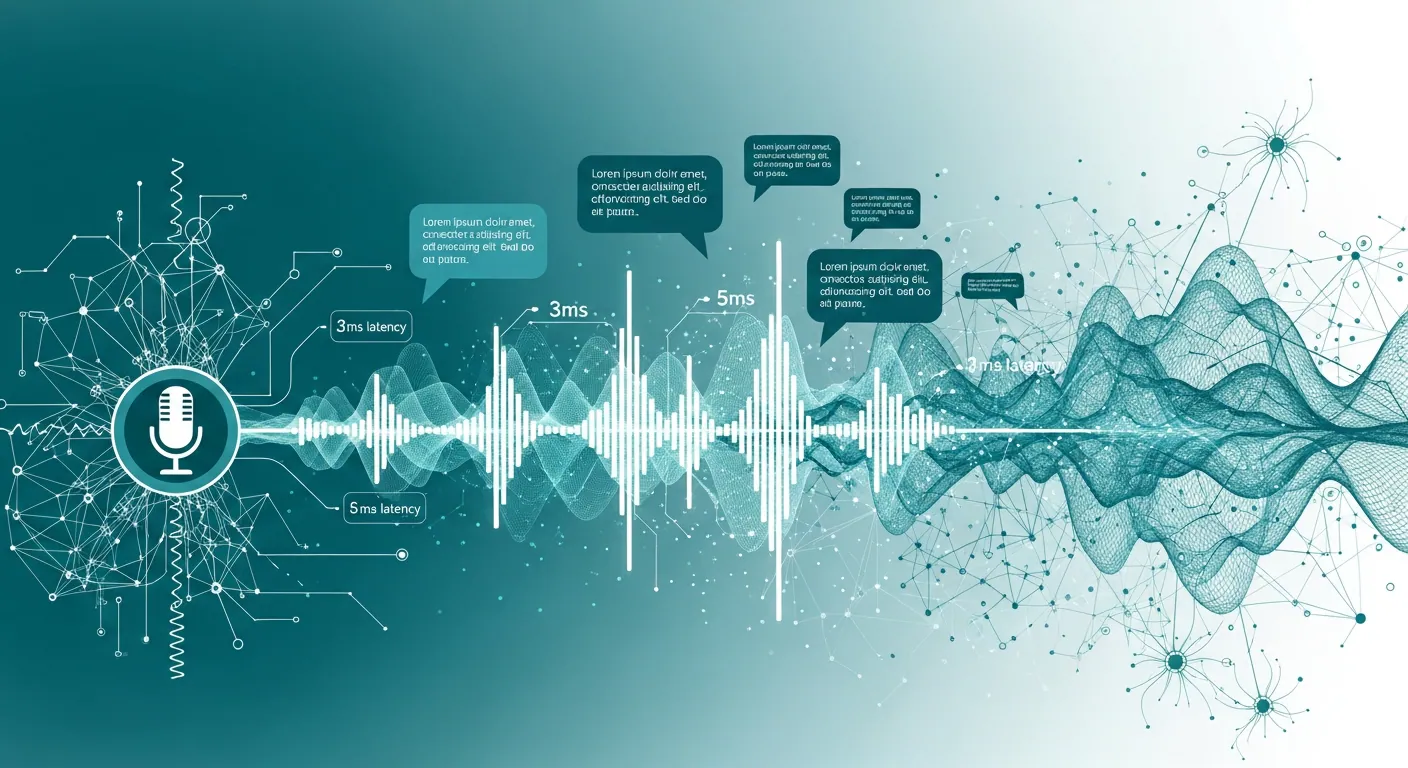
Voice AI and Latency: The Battle for Real-Time Conversation
For fifty years, talking to a computer felt like talking to a walkie-talkie. In 2026, the silence is dead. We have achieved Speech-to-Speech communication with latencies under 300 milliseconds.

AI in Cybersecurity: The Automated Red Teamer
We have entered the era of Automated Red Teaming. AI-driven Red Teams attack your own network 24/7, probing for weaknesses with the sophistication of a nation-state actor.
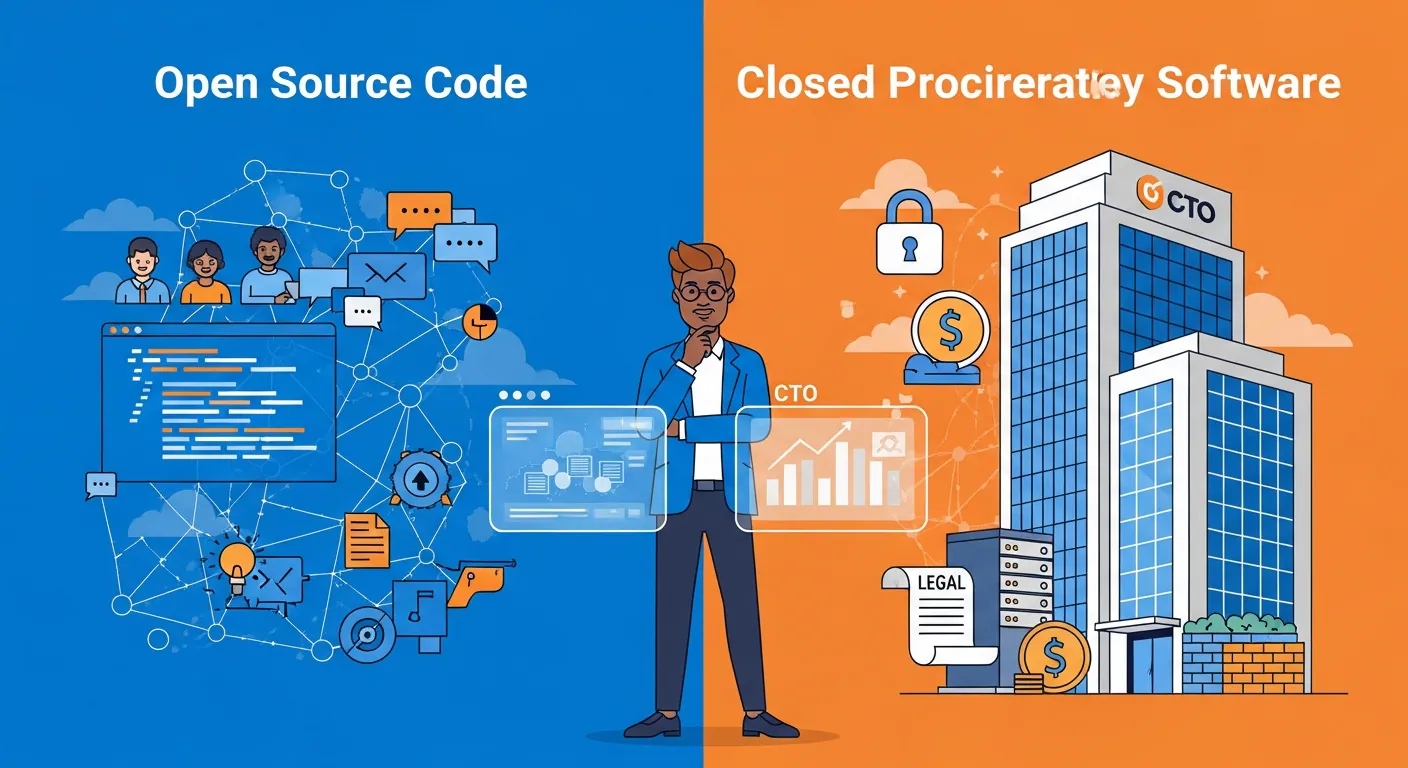
Open Weights vs. Closed Source: A CTO's Guide
The most expensive decision a CTO will make in 2026 isn't which cloud provider to use—it's whether to Rent intelligence or Own it. This is a cold, hard calculation of Total Cost of Ownership.
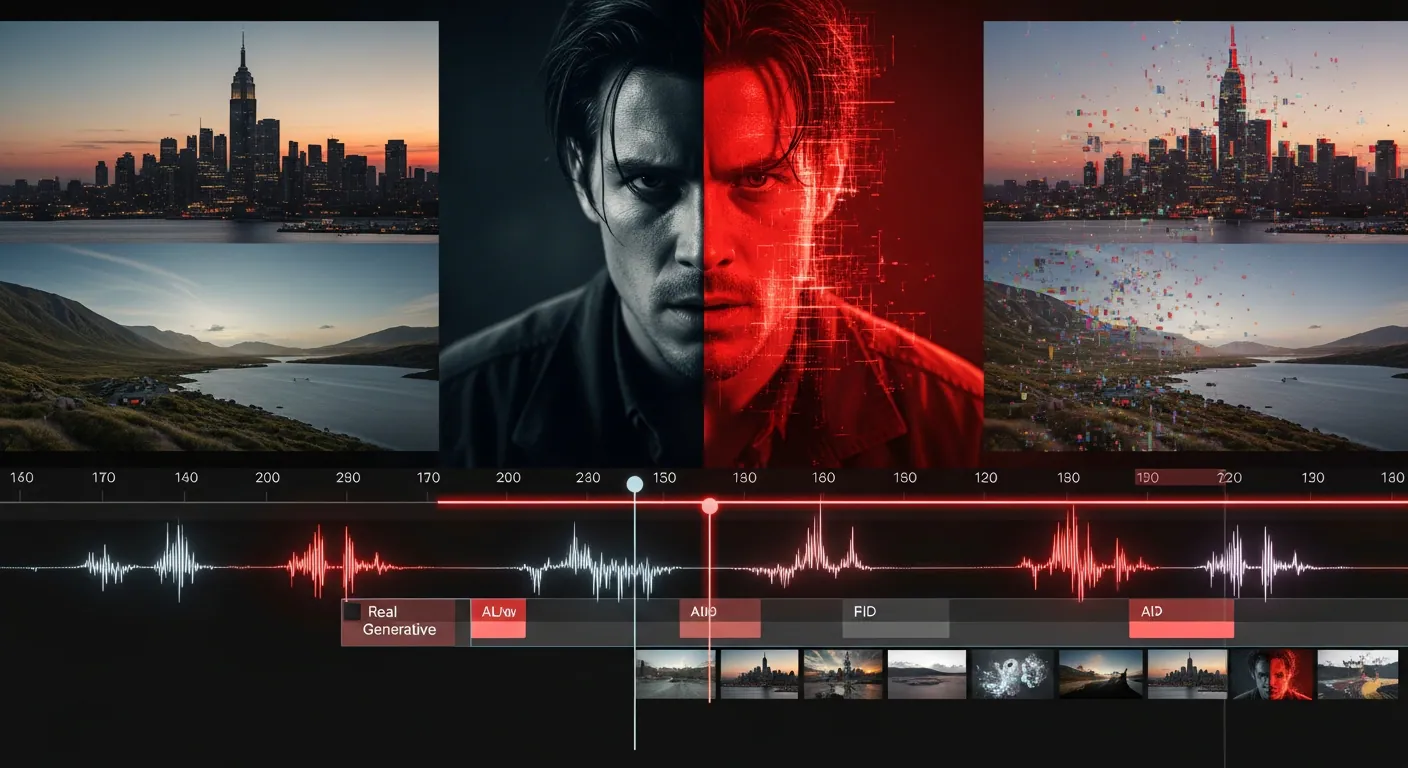
AI Video Generation: The "Reality Blur" in 2026
If 2024 was the year AI learned to draw, 2026 is the year it learned to see. The leading models—OpenAI Sora 2, Runway Gen-4, and Google Veo—have largely solved the "shimmer" problem.
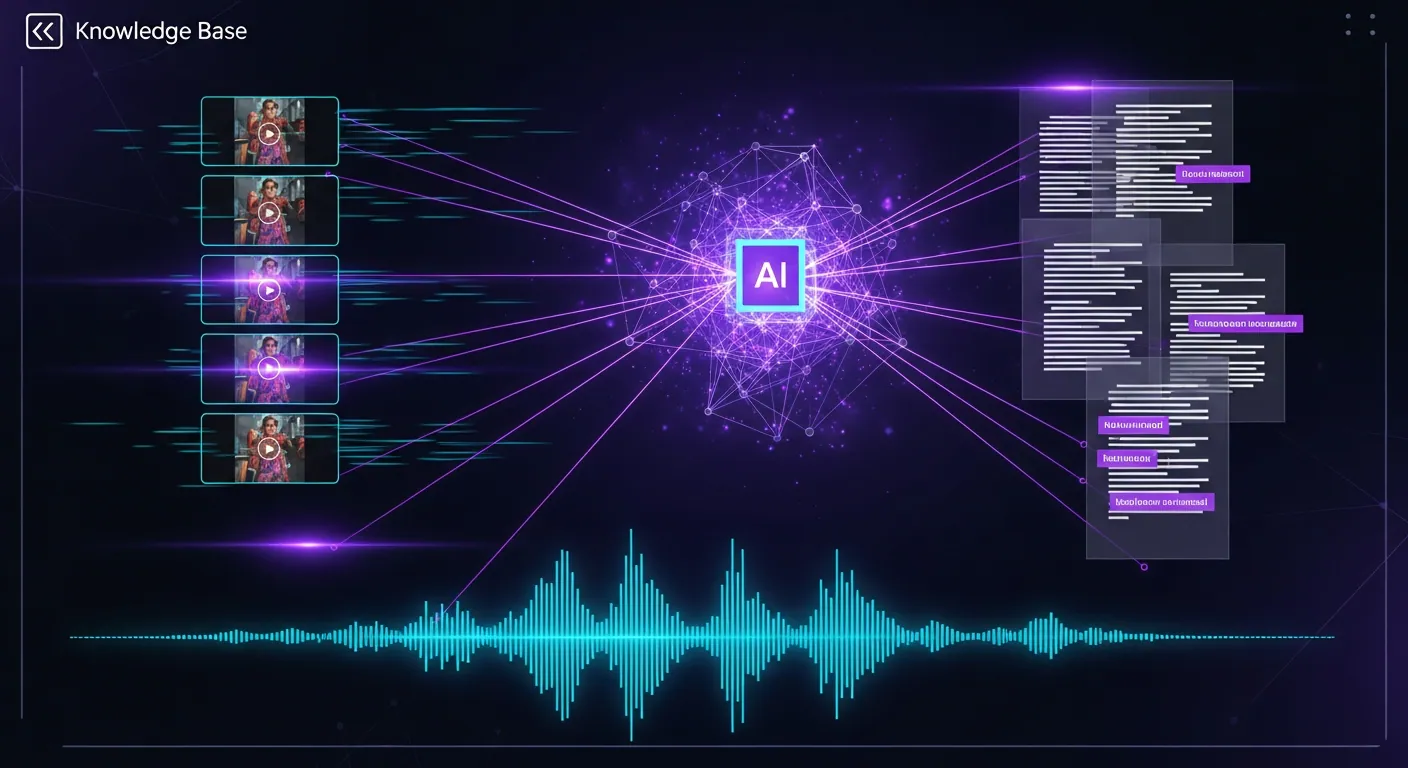
Multimodal RAG: Chatting with Your Video and Audio Data
RAG had a massive blind spot: it could only read text. In 2026, Multimodal RAG has torn down these walls. We can now index and search pixels and soundwaves just as easily as text.
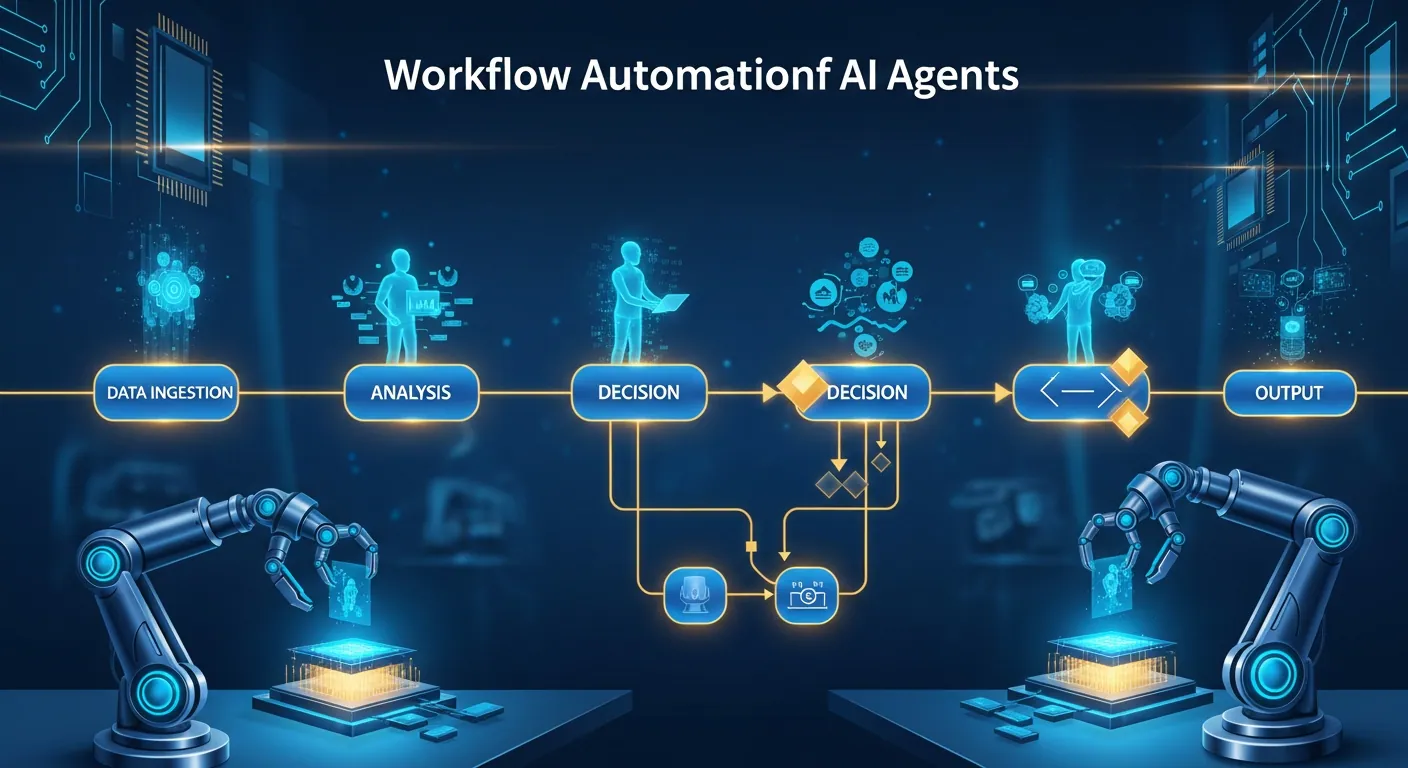
The Agentic Workflow: When AI Takes Action
We have entered the era of the Agentic Workflow. An Agent differs from a Chatbot in one fundamental way: Agency. Agents execute actions, browse the web, write code, and solve problems without human intervention.
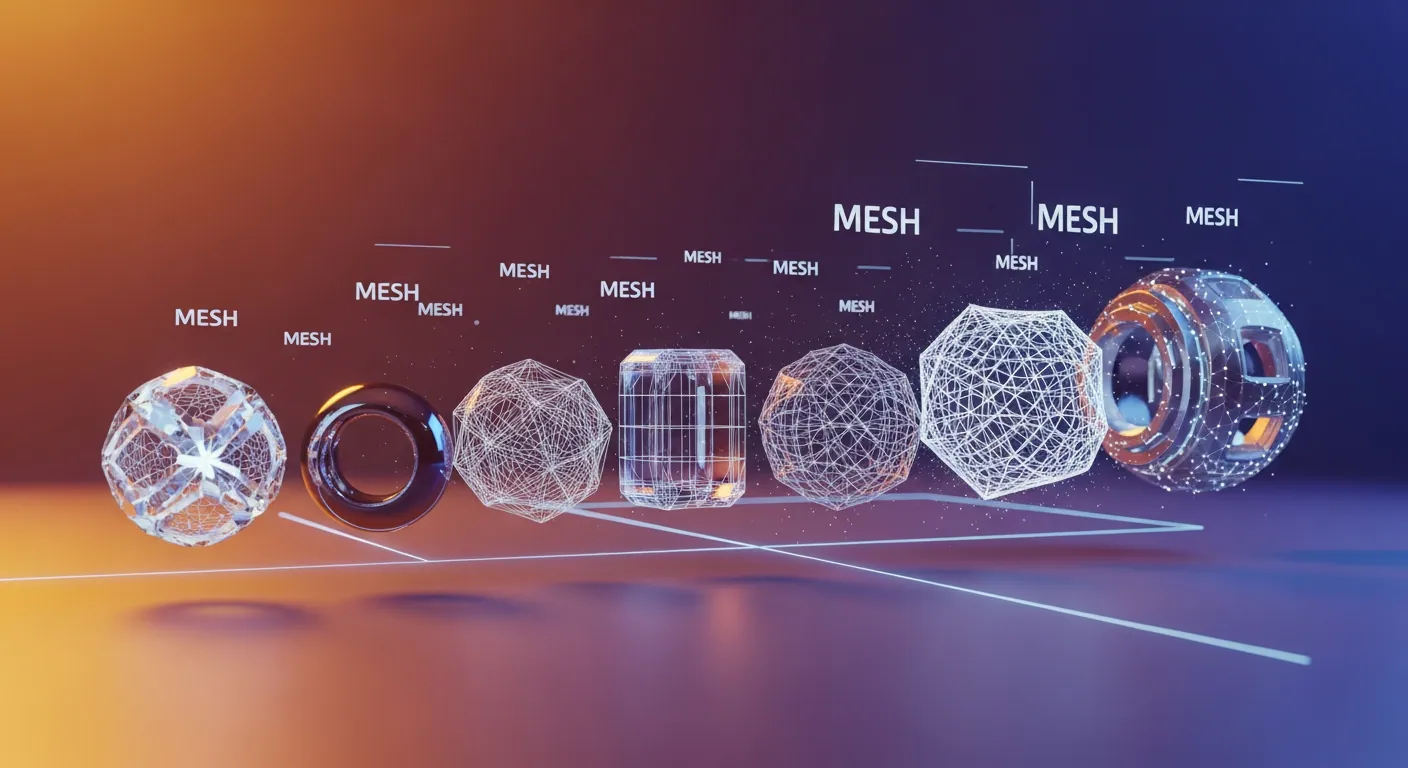
AI for 3D Generation: From Text-to-Mesh
We have moved from generating "spinny GIFs" to generating Production-Ready Meshes. The 3D AI market is fighting a war on two fronts: NeRFs/Splats for viewing and Generative Meshes for editing.
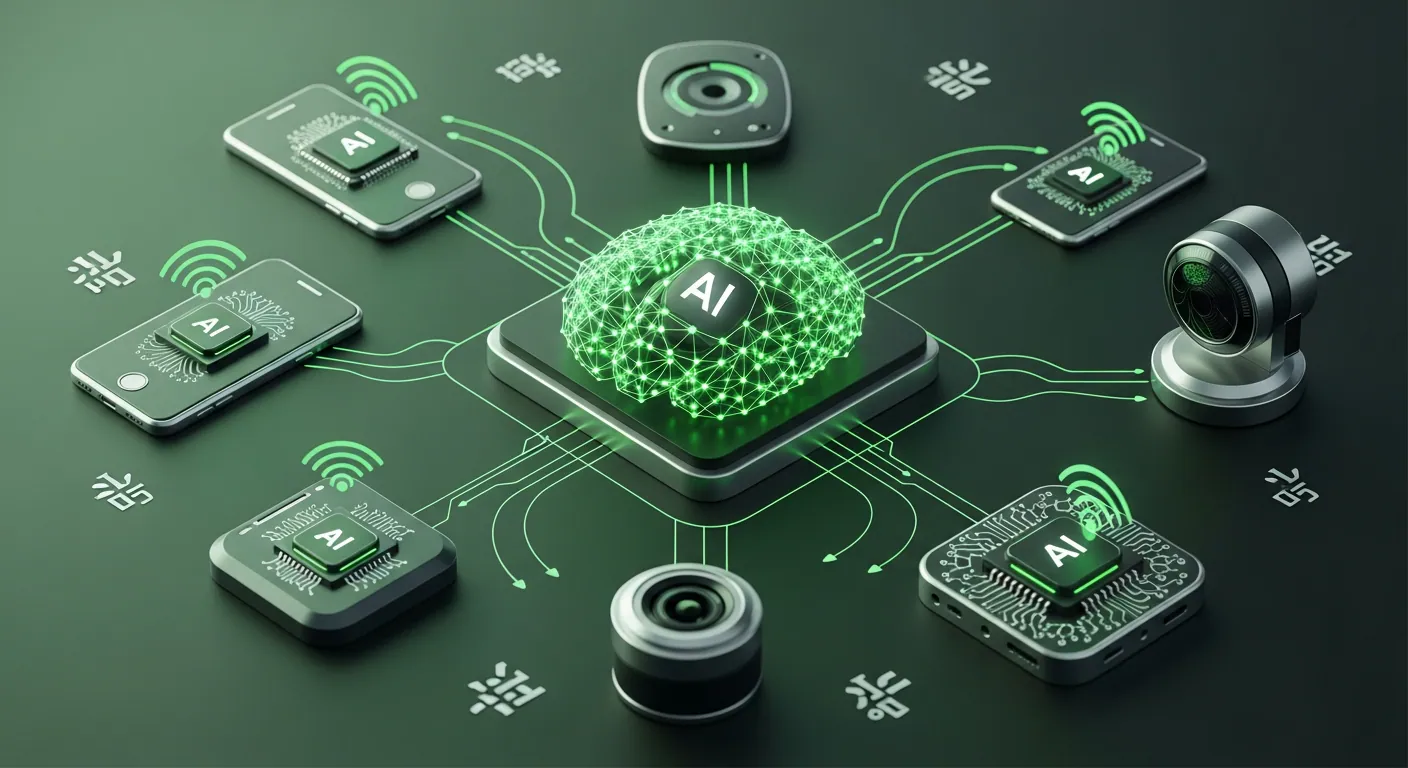
The "Small" Language Model (SLM) Revolution
We are witnessing the Small Language Model revolution. These are models with fewer than 10 billion parameters—compact enough to run locally on a laptop—yet capable enough to rival the giants of 2023.
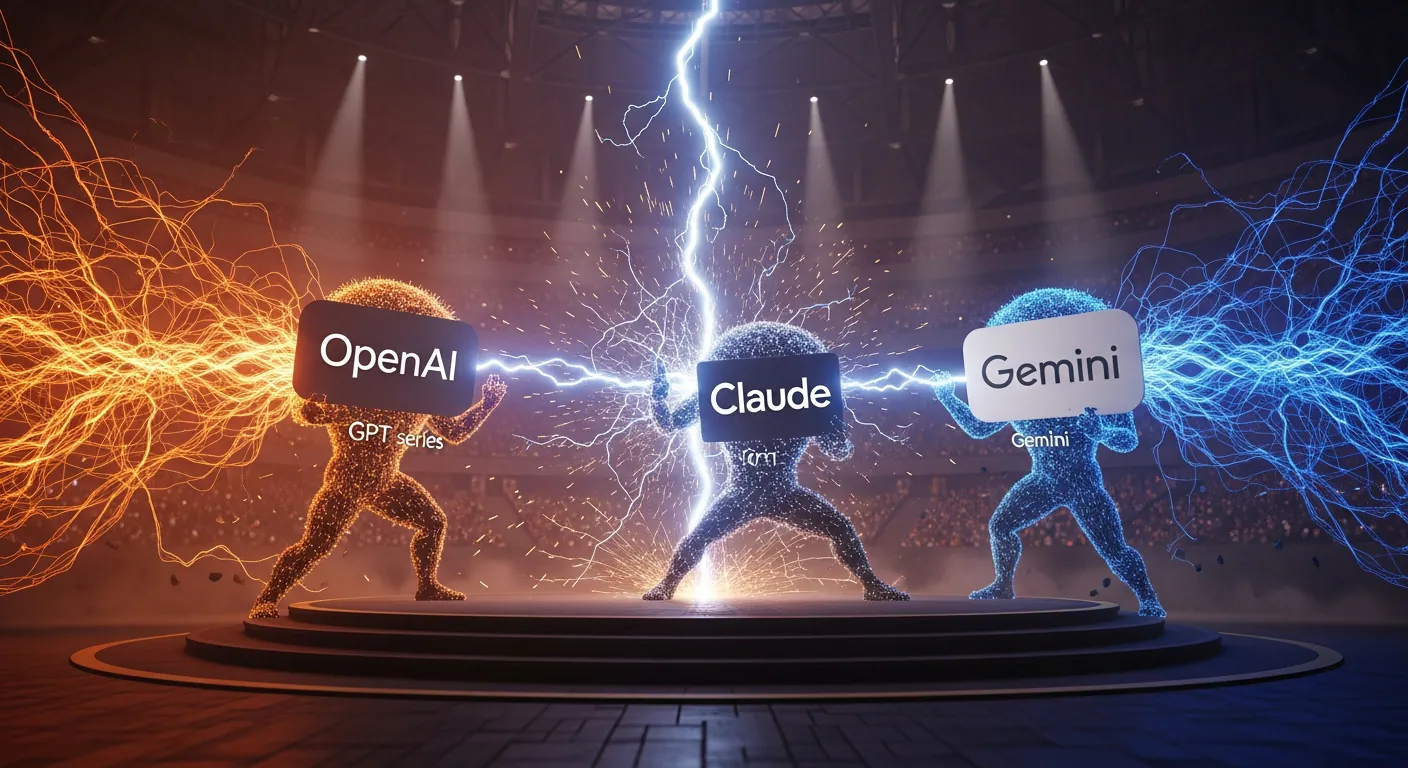
The Battle of the "Reasoning" Models: o1 vs. Gemini 1.5 vs. Claude 3.5
The shift from creativity to reliability gave birth to Reasoning Models. In 2026, three titans stand atop this hill: OpenAI's o1, Google's Gemini 1.5 Pro, and Anthropic's Claude 3.5 Sonnet.

Beyond Copilot: The Rise of "AI-Native" IDEs
The market has splintered into three distinct philosophies: the Fork (Cursor), the Flow (Windsurf), and the Speed Demon (Zed). This article explores how these tools are redefining software engineering.
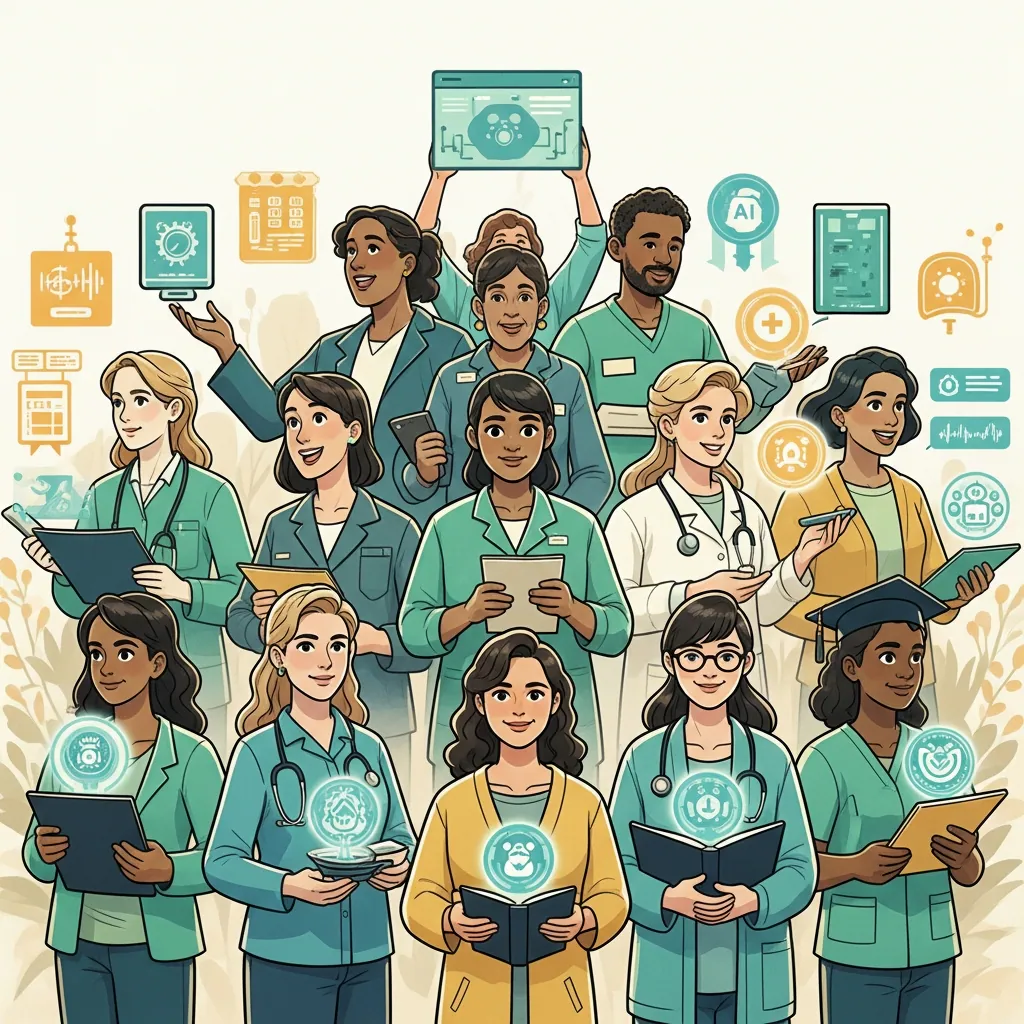
The 20x Imperative: Why Nonprofits Cannot Afford to Wait on AI
Nonprofits exist to solve the hardest problems in society — homelessness, hunger, disease, injustice, education gaps, environmental collapse. The need is infinite. The resources are never enough. AI is the most powerful capacity multiplier in history, and most nonprofits are barely touching it. That has to change now.
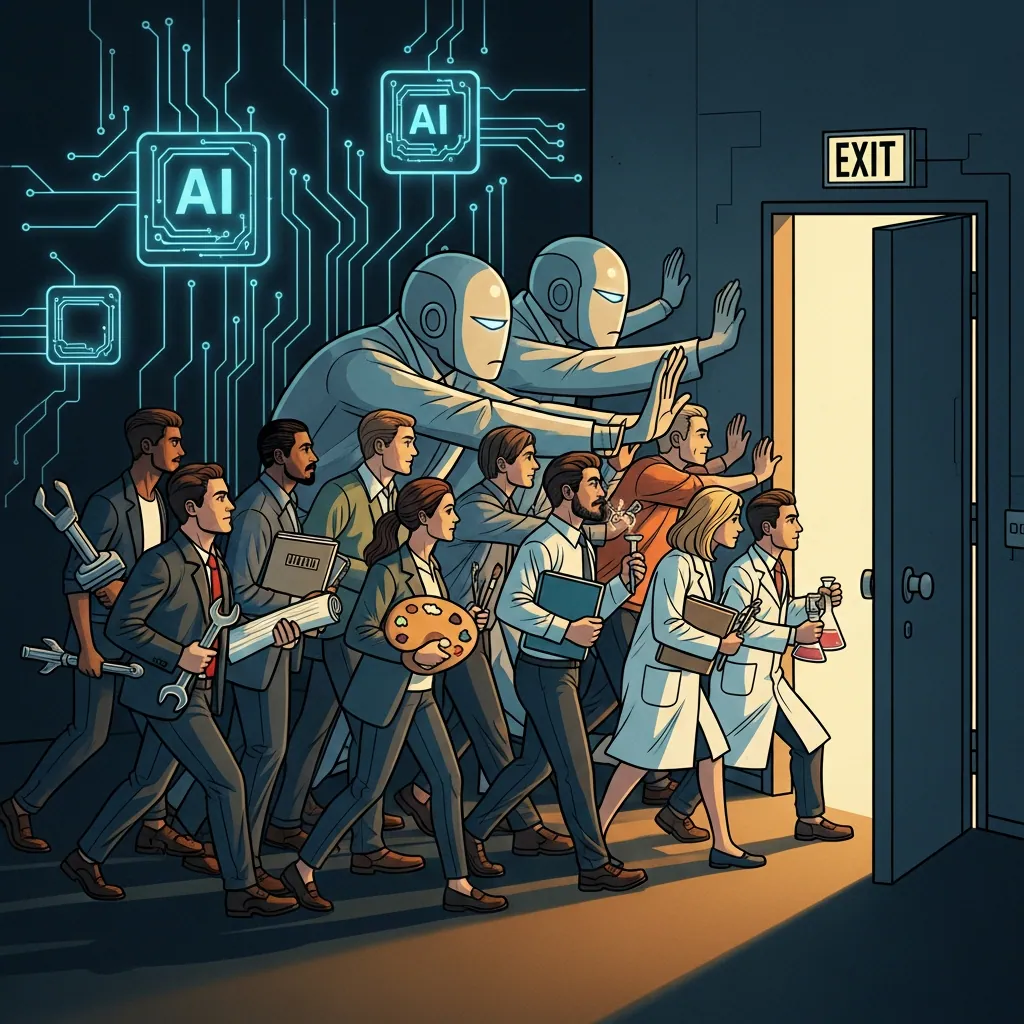
The Trillion-Dollar Mistake: Why Cutting Human Workers Is the Most Self-Defeating Thing AI Companies Can Do
The AI industry and the corporations adopting it are making a fundamental strategic error. In their rush to cut headcount and reduce costs, they are traumatising the workforce, destroying the creative capital that makes companies worth anything, and undermining the very consumer base that AI needs to have a future. Here is the case for a completely different direction.

The Rarest Species in the Universe: Why Human Beings Are About to Become the Most Precious Resource That Has Ever Existed
With trillions of AI agents, billions of robots, and a multi-planetary civilisation on the horizon — and human population growth slowing while lifespans extend — a stunning arithmetic is emerging. Run the numbers and the conclusion is hard to escape: humans are about to become the rarest, most irreplaceable entity in the known universe.
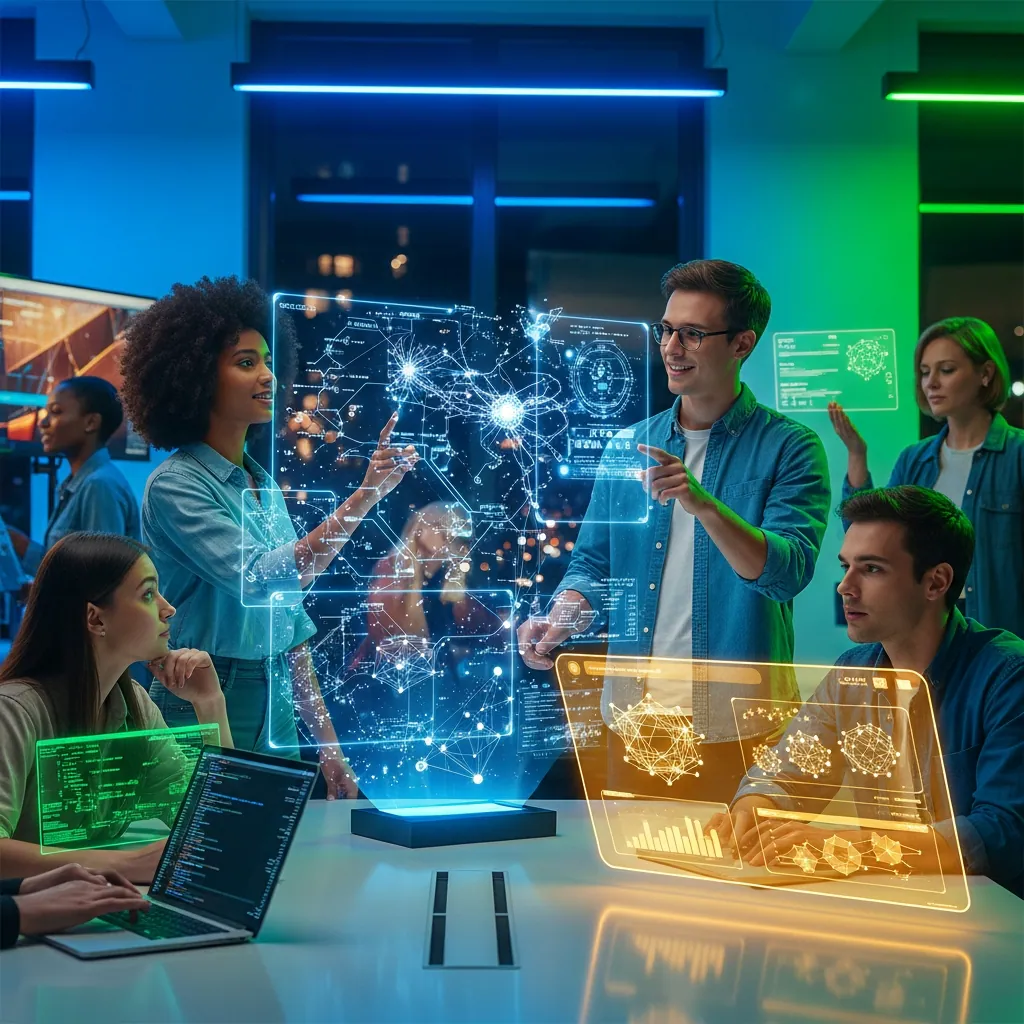
Stop Fearing the Kids With AI Skills. Start Hiring Them.
The social media revolution taught us a lesson most companies are still ignoring with AI: the people who grew up inside the technology will out-think you on it every time. Here is the case for making AI-native graduates your competitive edge — and why paid internships for high school and college students are not a charity programme. They are a survival strategy.
The Organizational Singularity: A Deep Summary of Salim Ismail's Definitive AI Strategy Framework
Salim Ismail's new book argues that AI is not a productivity upgrade — it is an extinction-level event for the traditional firm. Here is a detailed summary of The Organizational Singularity: the ExO 3.0 architecture, the Intelligence Stack, the REWRITE playbook, and what the intelligence-dense firm of 2036 looks like.
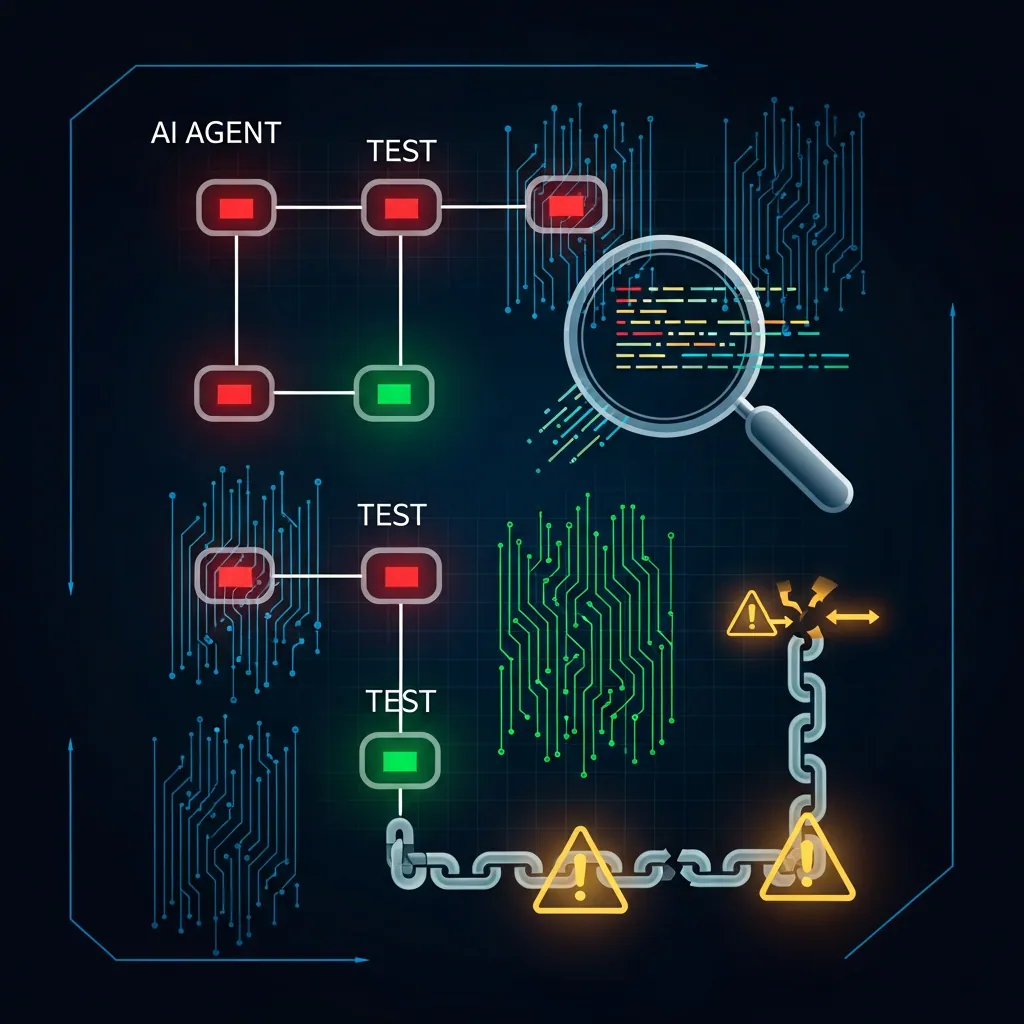
Why AI Agents Need a Real Eval and QA Toolset Before They Touch Production
Autonomous agents are writing and deploying code faster than any human team could review. Without a rigorous evaluation and QA layer that understands your business rules, you are not shipping AI — you are shipping a liability. Here is what a production-grade agent eval toolset looks like and how to build one.

The Rise of Emotional AI: Building Technology That Understands the Human Heart
EAI — Emotional Artificial Intelligence — is a framework that puts human feelings, needs, and dignity at the centre of every AI interaction. Here's why it matters, how leading companies are implementing it, and what a genuinely human-centred AI future looks like.